Description
Retractable Injection Quills
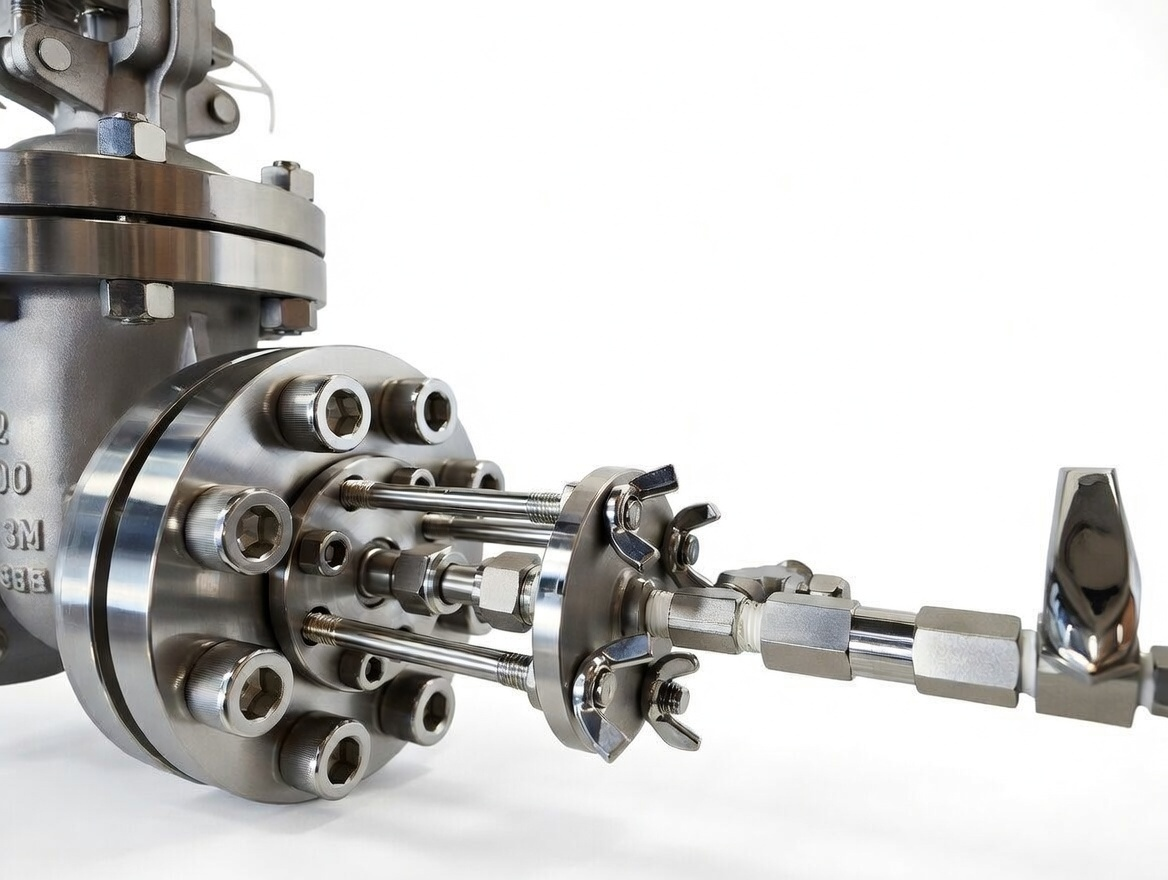
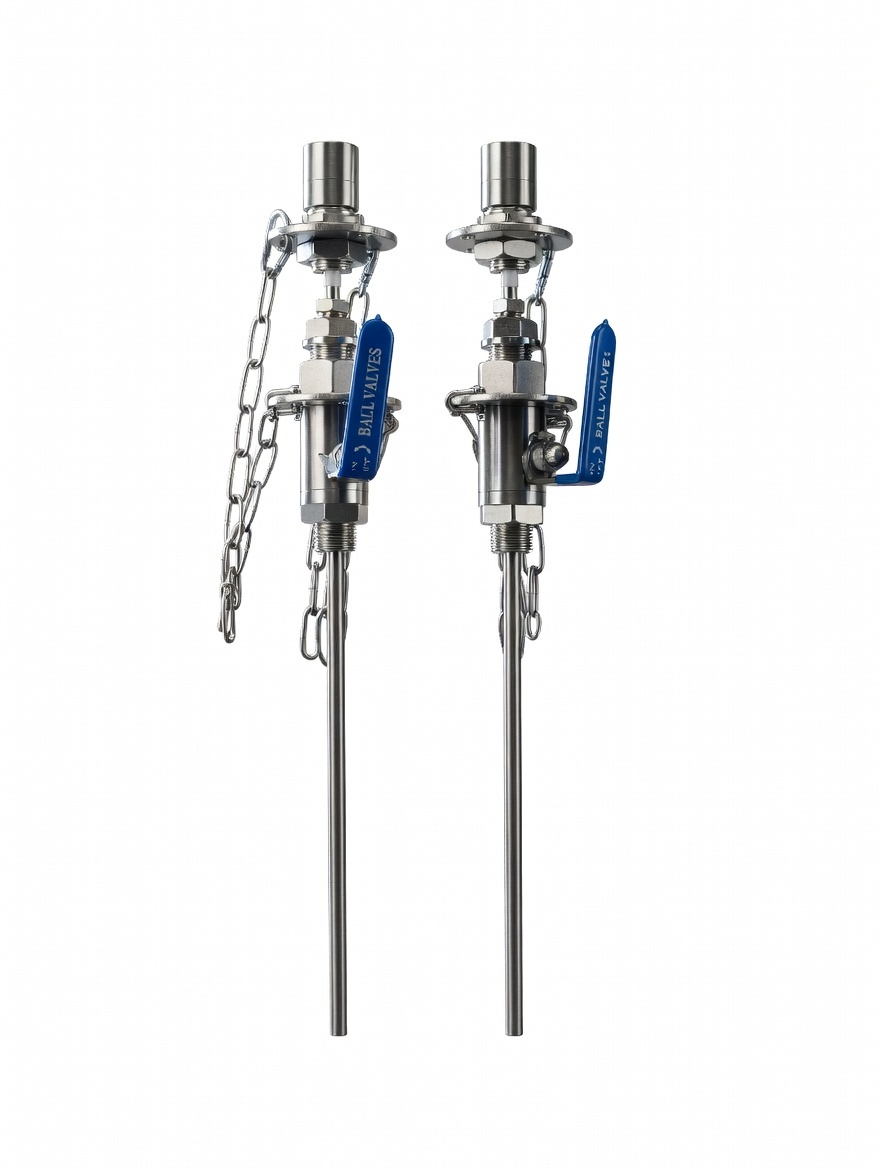
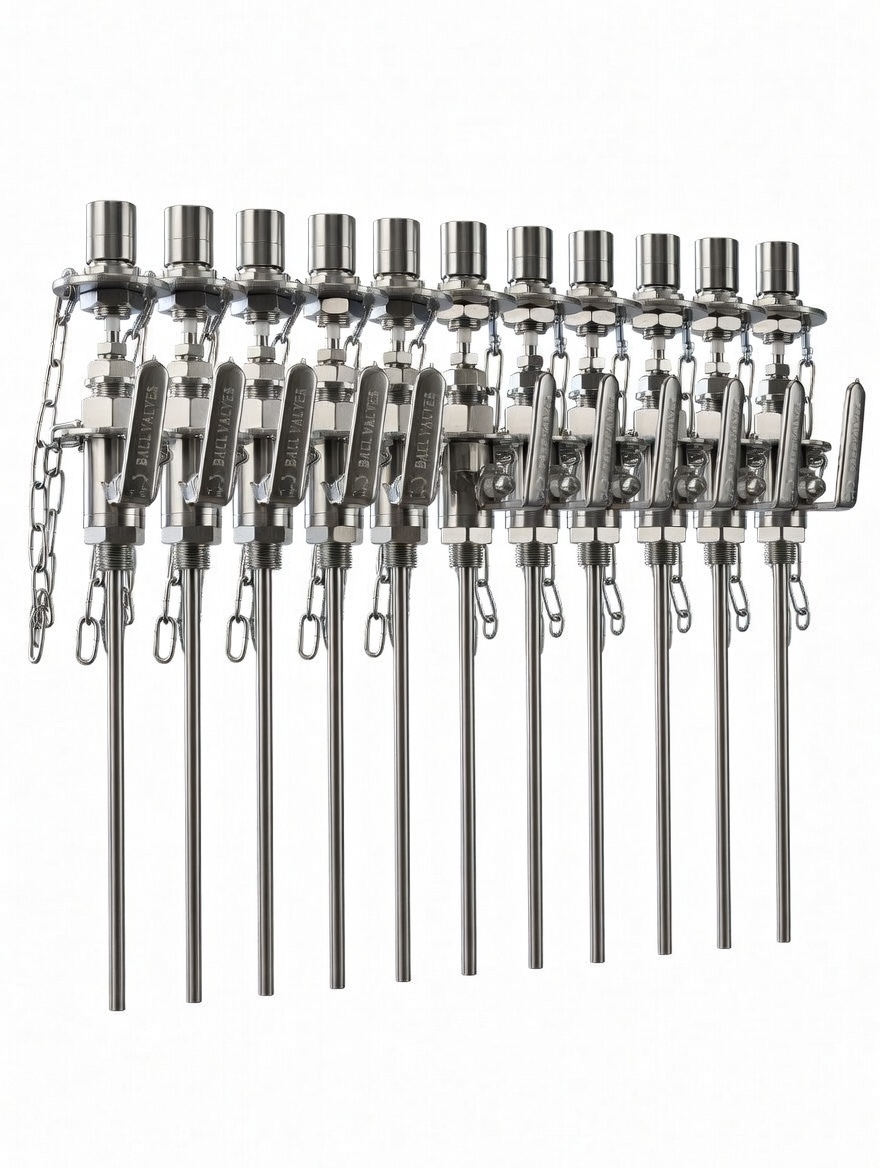
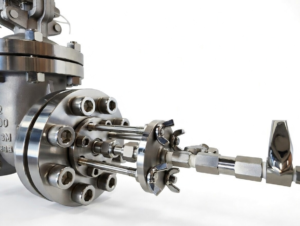 Retractable injection quills deliver chemicals safely. They work in pressurized lines. Operators insert or remove them without shutdown. This saves time and increases safety.
What Are Retractable Injection Quills?
These devices inject chemicals into pipelines. First, they reach the pipe center. Next, they ensure even mixing. Moreover, they prevent wall corrosion. Finally, they reduce chemical waste.
Main Purpose
They add inhibitors or biocides. Also, they inject scale preventers. In addition, they deliver corrosion control agents. Therefore, systems last longer.
Key Features
| Feature |
Details |
Advantage |
| Retractable Mechanism |
Remove under full pressure |
No process shutdown needed |
| Built-in Isolation Valve |
Ball or gate valve included |
Extra safety during service |
| Central Flow Injection |
Targets pipe centerline |
Better mixing and reaction |
| Check Valve Option |
Prevents backflow |
Protects feed system |
| Material Choices |
316SS, Hastelloy, Titanium |
Handles harsh chemicals |
How They Work
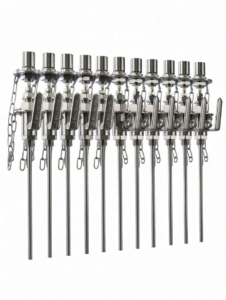
Operators open the isolation valve first. Then, they push the quill forward. After that, chemicals flow through the tip. Later, they retract the quill safely. Finally, they close the valve. This sequence protects workers.
Step-by-Step Process
- Isolate the quill assembly.
- Extend into the flow stream.
- Inject chemical evenly.
- Retract when maintenance needed.
- Remove without pressure loss.
Benefits for Industry
| Benefit |
Explanation |
Impact |
| Reduced Downtime |
No depressurization required |
Saves hours or days |
| Improved Safety |
Minimized exposure to pressure |
Lowers accident risk |
| Even Chemical Distribution |
Centerline injection |
Better treatment results |
| Lower Maintenance Cost |
Quick inspection possible |
Reduces labor expense |
| Longer Equipment Life |
Prevents localized corrosion |
Extends asset lifespan |
Technical Specifications Overview
| Parameter |
Typical Range |
Custom Option |
| Connection Size |
½” – 3″ NPT |
Flanged available |
| Pressure Rating |
150–250 psi |
Up to 600 psi |
| Temperature Range |
-20°F to 400°F |
Higher on request |
| Quill Length |
6–18 inches |
Custom reach |
| Materials |
316SS standard |
Hastelloy, Titanium |
Installation Tips
Choose correct insertion length first. Ensure valve alignment next. Use proper torque on fittings. Check seals before startup. Test retraction mechanism last.
Maintenance Guidelines
Inspect nozzle regularly. Clean tip when needed. Lubricate moving parts. Replace seals yearly. Record service dates always.
Why Choose Retractable Quills?
They combine safety and efficiency. Operators work faster. Systems stay online longer. Chemicals mix better. Costs drop over time. Reliability improves noticeably.
Final Thoughts
Retractable injection quills are essential tools. They solve real problems in industry. Safety improves first. Efficiency follows next. Choose quality materials. Invest in proper design. Enjoy long-term benefits.
Engineered for performance. Built for safety. Designed for reliability.
Specifications
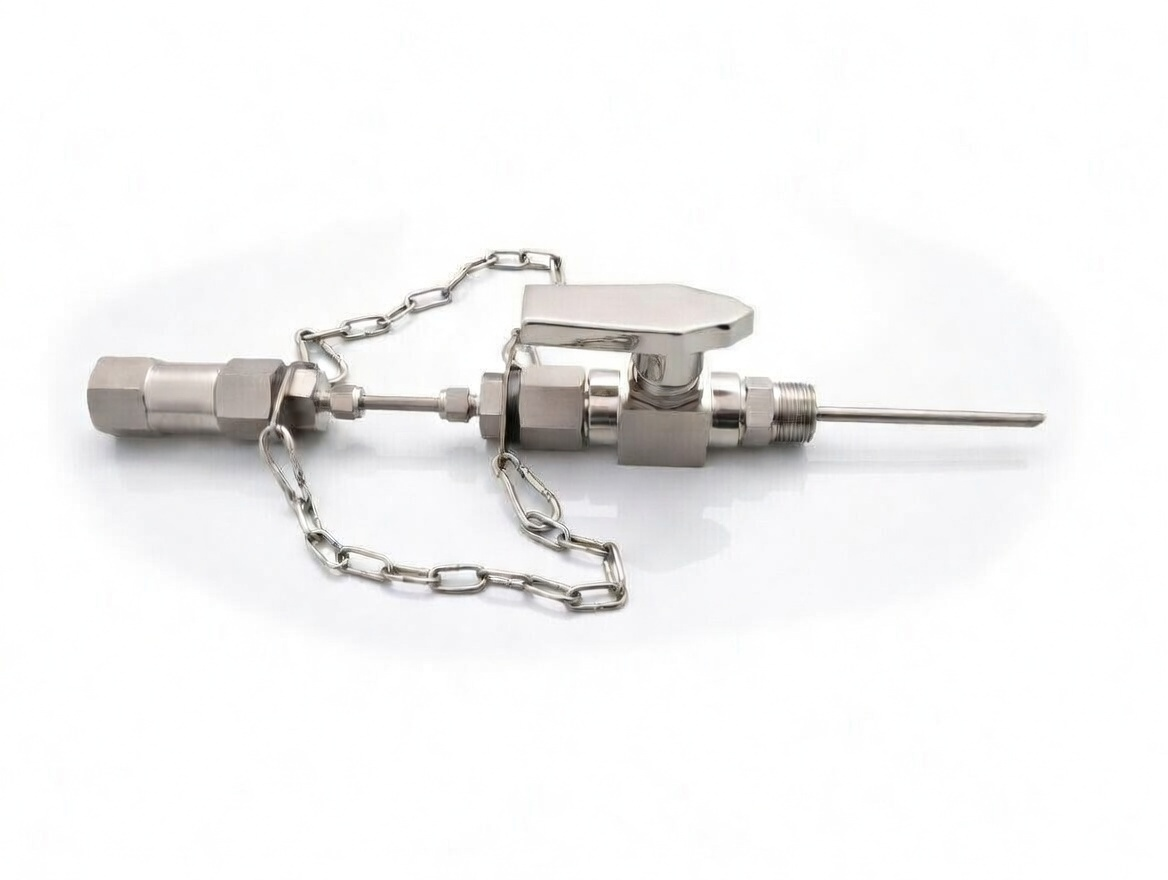
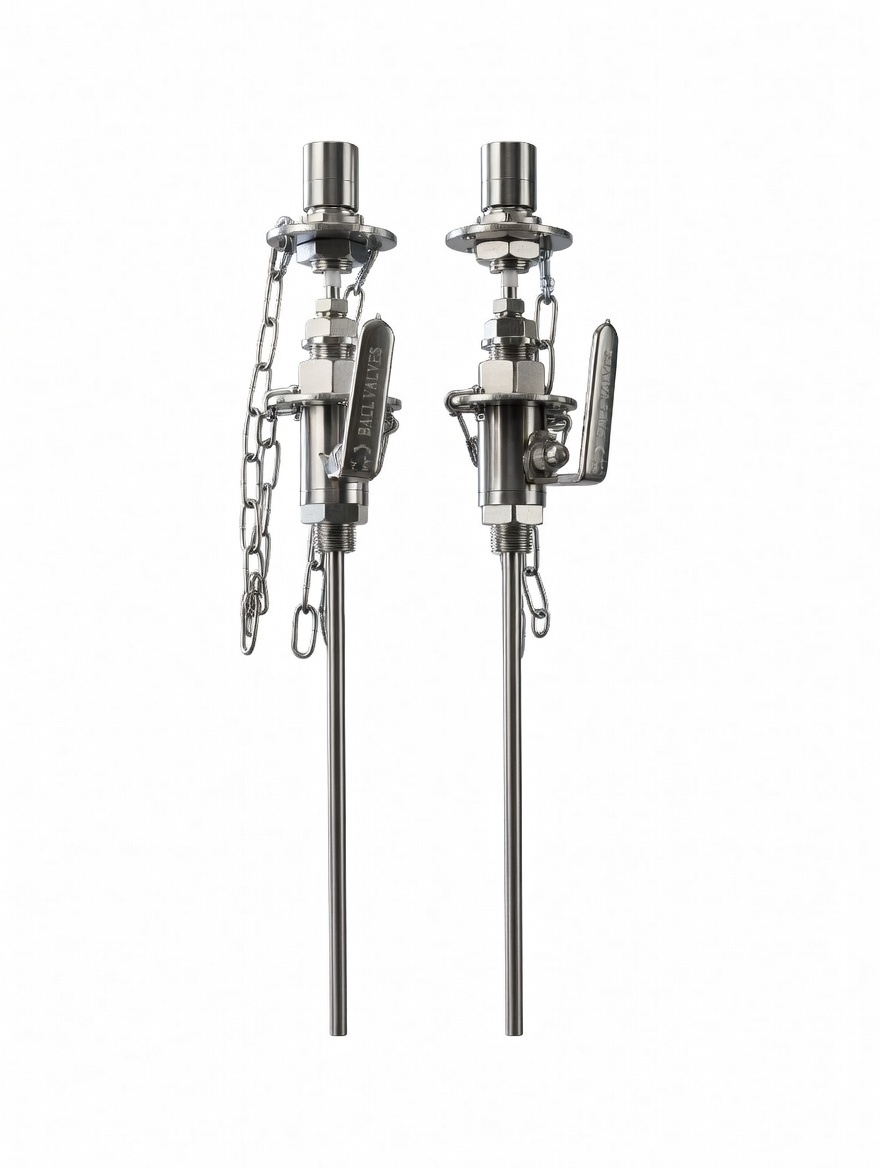
Model: RQ-Standard Series (Custom configurations available)
Designed for safe chemical injection into pressurized process lines without system shutdown. Suitable for oil & gas, water treatment, chemical processing, and power industries.
General Specifications
| Parameter |
Specification |
Notes / Options |
| Design Type |
Retractable with integral isolation valve |
Allows insertion/removal under full line pressure |
| Process Connection |
1″, 1½”, 2″ NPT or flanged (ANSI 150/300#) |
Custom sizes and ratings available |
| Maximum Operating Pressure |
250 psig (17.2 bar) standard |
Up to 2500 psig on request |
| Maximum Temperature |
400°F (204°C) standard |
Higher ratings with special materials |
| Quill Insertion Length |
6–18 inches (152–457 mm) |
Custom lengths to reach pipe centerline |
| Quill Outer Diameter |
0.75″–1.0″ (19–25 mm) |
Optimized for flow and strength |
Materials of Construction
| Component |
Standard Material |
Optional / Upgrade Materials |
| Quill Body & Tip |
316/316L Stainless Steel |
Hastelloy C-276, Alloy 20, Titanium Gr.2 |
| Isolation Valve |
316SS Ball Valve |
Hastelloy, Monel, Duplex SS |
| Seals / O-rings |
Viton® or PTFE |
Kalrez®, Chemraz®, EPDM, FFKM |
| Chain & Hardware |
316SS |
— |
| Handle / Grip |
316SS or coated carbon steel |
Ergonomic composite |
Valve & Safety Features
| Feature |
Specification |
Purpose |
| Isolation Valve Type |
¼-turn full-port ball valve |
Quick shutoff and reliable isolation |
| Check Valve |
Integrated, 5 psi cracking pressure |
Prevents backflow into chemical line |
| Safety Locking Mechanism |
Positive mechanical lock |
Prevents unintended retraction |
| Pressure Relief Option |
Available (set at 300 psig) |
Overpressure protection |
Performance & Flow Data
| Parameter |
Value |
Condition |
| Maximum Flow Rate |
Up to 5.0 GPM (19 LPM) |
Dependent on quill ID & pressure |
| Pressure Drop |
< 2 psi at 2 GPM |
Typical ¾” quill |
| Injection Point |
Pipe centerline |
Ensures optimal mixing |
Compliance & Certifications
| Standard / Certification |
Compliance |
Details |
| Pressure Equipment Directive |
CE / PED 2014/68/EU (Cat. I or II) |
Available on request |
| Material Certification |
EN 10204 3.1 |
Standard for wetted parts |
| NACE Compliance |
MR0175/ISO 15156 |
For sour service applications |
Customization: All dimensions, materials, pressure ratings, and connection types can be tailored to project requirements. Consult factory for special applications, high-pressure, high-temperature, or exotic chemical service.
Installation Procedures
Safety Requirements: Depressurize line before installation. Wear appropriate PPE. Follow lockout/tagout procedures. Verify compatibility of materials with process fluid.
Pre-Installation Preparation
| Step |
Procedure |
Verification |
| 1 |
Confirm quill model matches pipe size and pressure rating |
Check nameplate and drawings |
| 2 |
Verify insertion length reaches pipe centerline |
Measure pipe ID and quill length |
| 3 |
Inspect quill for damage or defects |
Visual check + pressure test certificate |
| 4 |
Prepare isolation valve and fittings |
Ensure threads are clean and undamaged |
| 5 |
Confirm compatible seals and gaskets |
Verify chemical compatibility chart |
Main Installation Steps
| Step |
Procedure |
Tools / Materials |
| 1 |
Depressurize and isolate process line |
Isolation valves, pressure gauge |
| 2 |
Drill and tap connection point (if not pre-installed) |
Drill, tap, thread sealant |
| 3 |
Install quill mounting flange or nipple |
Torque wrench, anti-seize compound |
| 4 |
Apply thread sealant or gasket |
PTFE tape or approved sealant |
| 5 |
Screw quill assembly into connection |
Proper wrench size, torque to spec |
| 6 |
Align quill orientation (tip toward flow) |
Markings on quill body |
| 7 |
Tighten to manufacturer torque values |
Calibrated torque wrench |
| 8 |
Attach chemical injection line to quill inlet |
Swagelok or compatible fittings |
| 9 |
Secure safety chain to fixed point |
316SS chain and shackles |
Post-Installation Checks & Commissioning
| Step |
Procedure |
Acceptance Criteria |
| 1 |
Pressure test complete assembly |
No leaks at 1.5× operating pressure |
| 2 |
Check for external leaks with soap solution |
No bubbles observed |
| 3 |
Verify quill extension and retraction |
Smooth operation, no binding |
| 4 |
Confirm isolation valve full shutoff |
Zero leakage when closed |
| 5 |
Check check valve function |
No backflow at low pressure |
| 6 |
Label installation date and next service |
Permanent tag attached |
Final Warning: Do not pressurize system until all checks pass. Document torque values and test results.
Maintenance Procedures
Important Safety Note: Always depressurize the line or isolate the quill before maintenance. Wear appropriate PPE. Follow lockout/tagout procedures. Never work on a live pressurized system.
Daily / Visual Inspection
| Step |
Procedure |
Checklist |
| 1 |
Check for external leaks |
Look at valve body, fittings, and chain |
| 2 |
Inspect valve handle position |
Ensure valve is fully open or closed |
| 3 |
Verify quill alignment |
Confirm no bending or damage |
| 4 |
Check chain condition |
Look for rust, kinks, or wear |
| 5 |
Record findings |
Note any issues in logbook |
Perform daily checks during routine rounds. Report leaks immediately.
Monthly Preventive Maintenance
| Step |
Procedure |
Tools / Materials Needed |
| 1 |
Isolate and depressurize quill |
Isolation valves, pressure gauge |
| 2 |
Retract and remove quill |
Proper hand tools, support stand |
| 3 |
Inspect injection tip / nozzle |
Flashlight, mirror |
| 4 |
Clean nozzle with solvent |
Compatible solvent, soft brush |
| 5 |
Lubricate moving parts |
Food-grade or process-safe lubricant |
| 6 |
Check O-rings and seals |
Replacement seals if worn |
| 7 |
Reinstall and pressure test |
Pressure test pump, soap solution |
Quarterly Deep Maintenance
| Step |
Procedure |
Checklist |
| 1 |
Remove quill completely |
Follow lockout/tagout |
| 2 |
Disassemble isolation valve |
Inspect ball/seat |
| 3 |
Clean valve internals |
Use approved cleaner |
| 4 |
Replace worn seals/gaskets |
Use OEM parts only |
| 5 |
Inspect check valve function |
Test cracking pressure |
| 6 |
Polish stainless surfaces |
Remove light corrosion |
| 7 |
Reassemble and torque bolts |
Use torque wrench |
| 8 |
Perform leak test |
Hold pressure for 10 min |
Annual / As-Needed Overhaul
| Task |
Details |
Recommended Action |
| Full disassembly |
Break down all components |
Inspect for pitting/cracks |
| Ultrasonic thickness check |
Measure quill wall thickness |
Replace if below minimum |
| Valve seat replacement |
Install new seat if worn |
Ensure tight shutoff |
| Pressure relief test |
Test relief settings |
Calibrate if needed |
| Documentation update |
Record all measurements |
Update maintenance log |
Recommended Maintenance Schedule
| Frequency |
Activity |
Estimated Time |
| Daily |
Visual leak & alignment check |
2–5 minutes |
| Monthly |
Cleaning & lubrication |
30–60 minutes |
| Quarterly |
Valve inspection & seal check |
1–2 hours |
Q&A
| Question |
Answer |
| What is a retractable injection quill? |
A specialized device that safely injects chemicals into pressurized pipelines while allowing removal or inspection without shutting down the process. |
| Why use a retractable design? |
It eliminates the need to depressurize the line, saving time, reducing downtime, and improving operator safety. |
| Where is the chemical injected? |
At the centerline of the pipe flow for optimal mixing and to prevent wall corrosion or uneven distribution. |
| What is the main safety feature? |
An integrated isolation valve (usually a ball valve) that allows controlled retraction under full system pressure. |
| Which materials are commonly used? |
316/316L stainless steel (standard), Hastelloy C-276, Alloy 20, Titanium, or other corrosion-resistant alloys depending on the chemical. |
| What pressure and temperature
ranges are typical? |
Up to 250–600 psig and -20°F to 400°F (higher ratings available with special materials). |
| Do they include a check valve? |
Yes – most models have a built-in check valve (typically 5 psi cracking pressure) to prevent backflow. |
| What industries use them? |
Oil & gas, petrochemical, water treatment, chemical processing, power generation, and cooling water systems. |
| How often should they be maintained? |
Visual checks daily, cleaning/lubrication monthly, deep inspection quarterly, and full overhaul annually (or per process conditions). |
| Can they be customized? |
Yes – insertion length, connection type (NPT/flanged), materials, pressure rating, and valve type can all be tailored to the application. |
Retractable injection quills = Safety + Efficiency + Reliability
Advantages / Disadvantages
| ✔ Advantages |
✖ Disadvantages |
| No need to shut down or depressurize the process line |
Higher initial purchase cost compared to fixed quills |
| Significantly reduces downtime during maintenance or inspection |
More complex design = more components that can potentially fail |
| Greatly improves operator safety (no exposure to full line pressure) |
Requires more frequent maintenance and seal checks |
| Allows quick removal for cleaning, inspection, or replacement |
Larger overall footprint than simple fixed injection quills |
| Centerline injection ensures better chemical mixing and distribution |
Heavier and may need additional support in some installations |
| Built-in isolation valve and check valve add extra safety layers |
Training required for correct operation and retraction procedure |
| Long-term cost savings from reduced process interruptions |
Not ideal for very small-diameter or low-flow lines |
| Versatile material options for corrosive or aggressive chemicals |
Higher torque or force sometimes needed to retract under pressure |
Retractable quills excel where safety and uptime are critical priorities.
Applications
| Industry / Application |
Typical Chemicals Injected |
Main Purpose / Benefit |
| Crude Oil & Gas Production Pipelines |
Corrosion inhibitors, scale inhibitors, H₂S scavengers, paraffin inhibitors |
Prevents internal corrosion and blockages; maintains flow assurance without shutdown |
| Refineries – Process Lines |
Neutralizers, corrosion inhibitors, antifoam agents, desalting chemicals |
Protects equipment from aggressive process fluids; allows quick maintenance |
| Water Treatment & Injection Systems |
Biocides, oxygen scavengers, scale inhibitors, coagulants |
Controls biological growth and scaling; continuous treatment with minimal downtime |
| Cooling Tower & Closed-Loop Systems |
Corrosion inhibitors, biocides, dispersants, pH adjusters |
Maintains water quality and heat exchanger efficiency; safe chemical addition |
| Petrochemical & Chemical Processing |
Catalysts, pH control agents, polymerization inhibitors, defoamers |
Precise chemical dosing into reactive streams; protects against fouling |
| Offshore Platforms & Subsea Tiebacks |
Methanol (hydrate inhibition), LDHI, corrosion inhibitors |
Prevents hydrate formation and corrosion in long tieback lines; high safety value |
| Boiler Feedwater & Steam Systems (Power Plants) |
Oxygen scavengers, amine-based corrosion inhibitors, phosphate |
Reduces oxygen pitting and scaling; critical for boiler tube longevity |
| Produced Water Reinjection Lines |
Scale inhibitors, biocides, H₂S scavengers |
Prevents formation damage and maintains injectivity; continuous operation |
Retractable quills are the preferred choice wherever process continuity, safety, and chemical effectiveness are critical.
Only logged in customers who have purchased this product may leave a review.

Reviews
There are no reviews yet.