Description
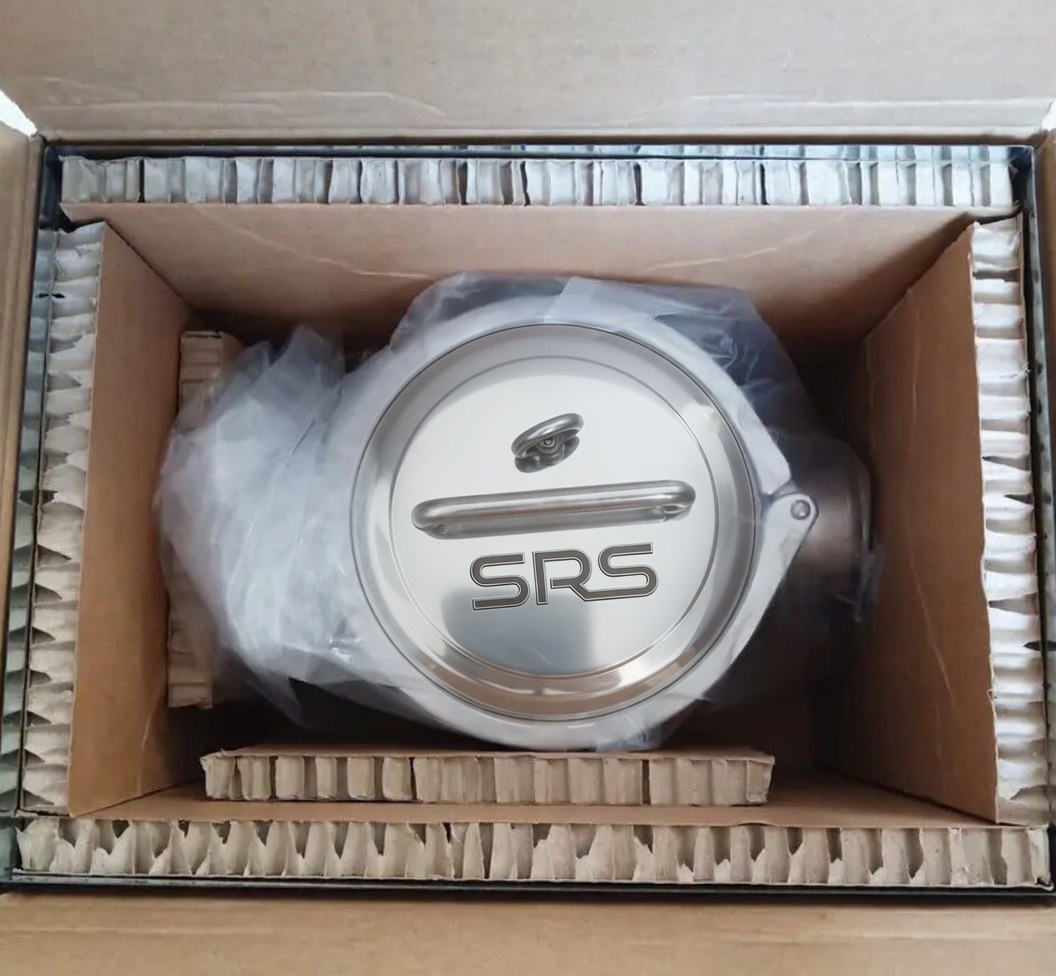
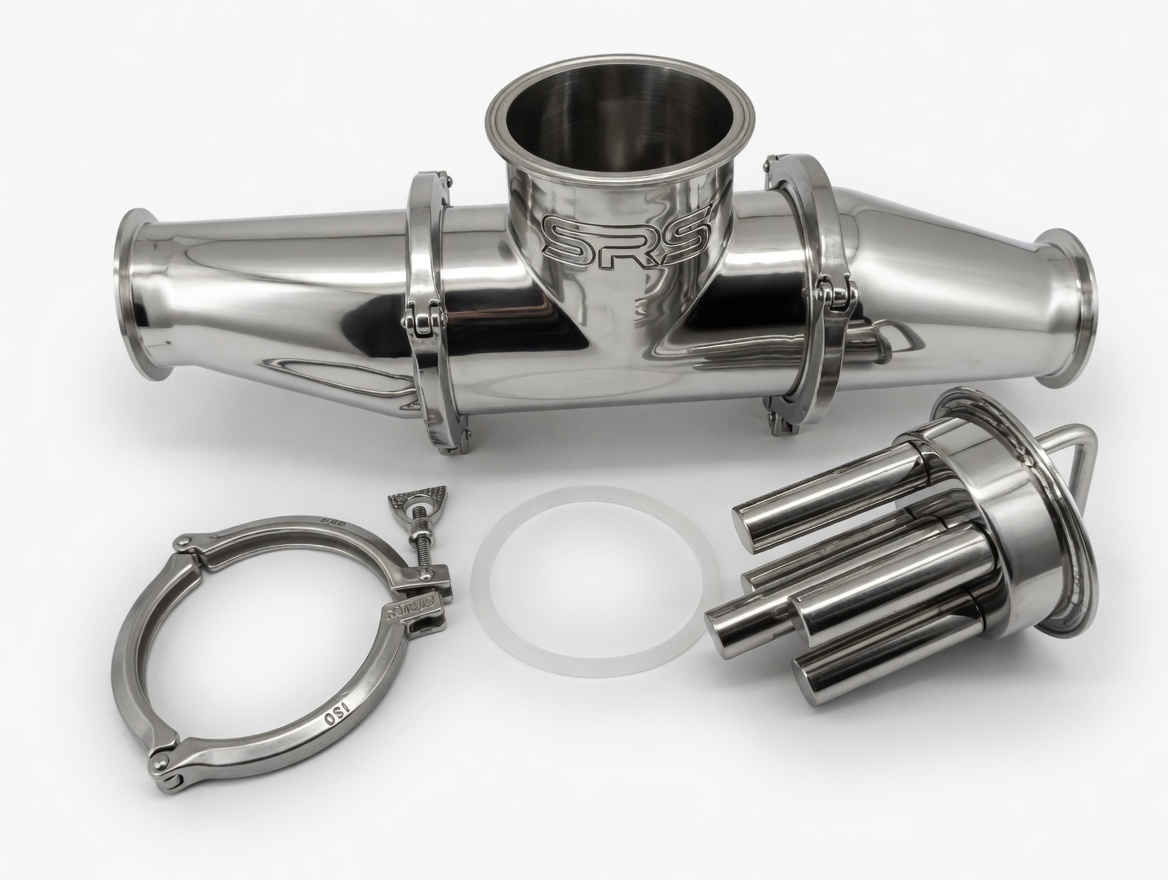
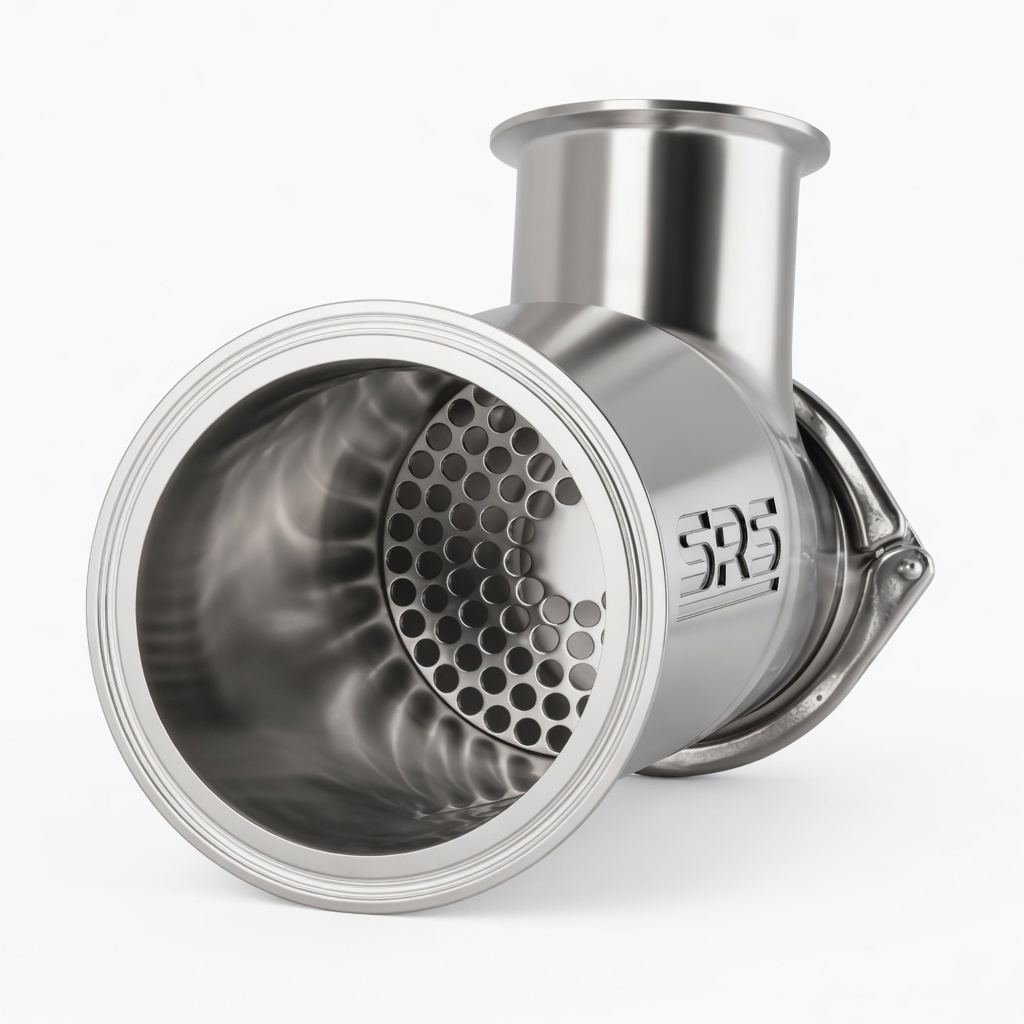
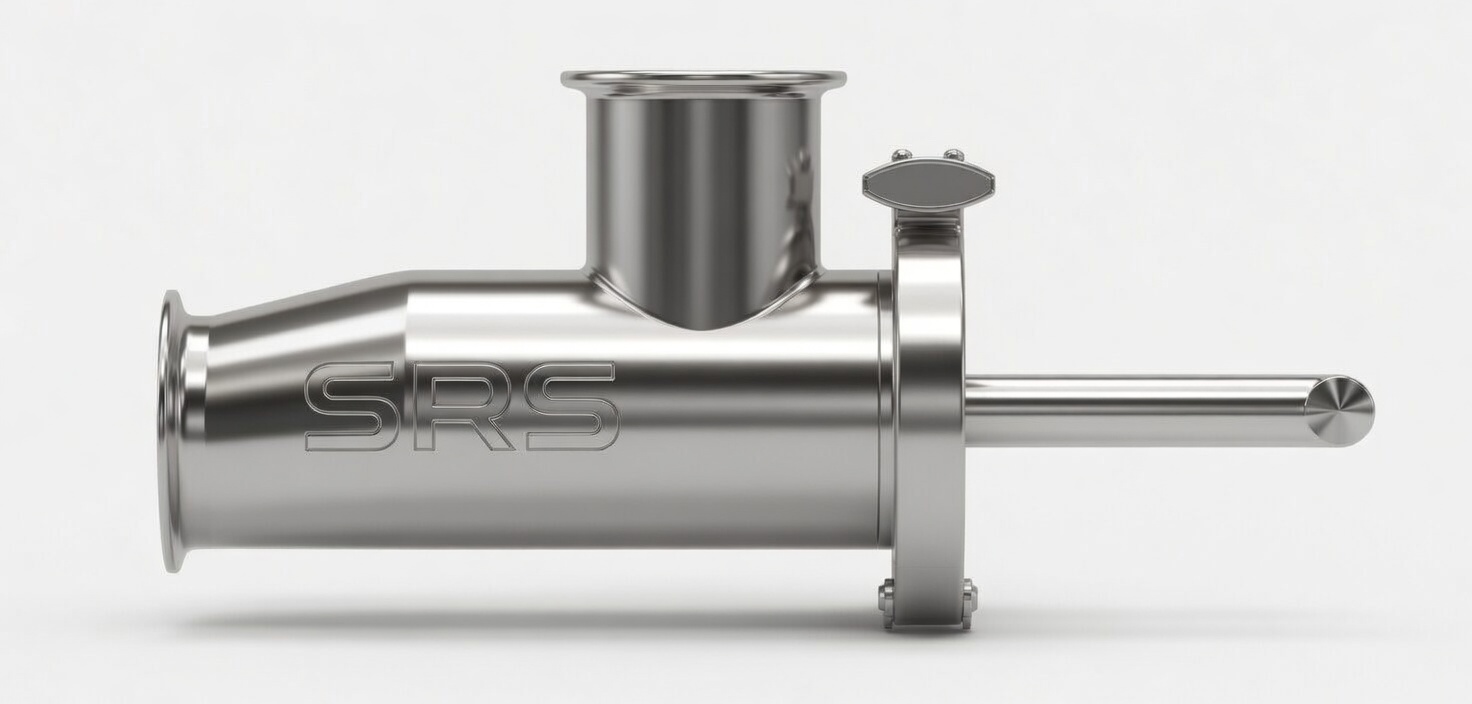
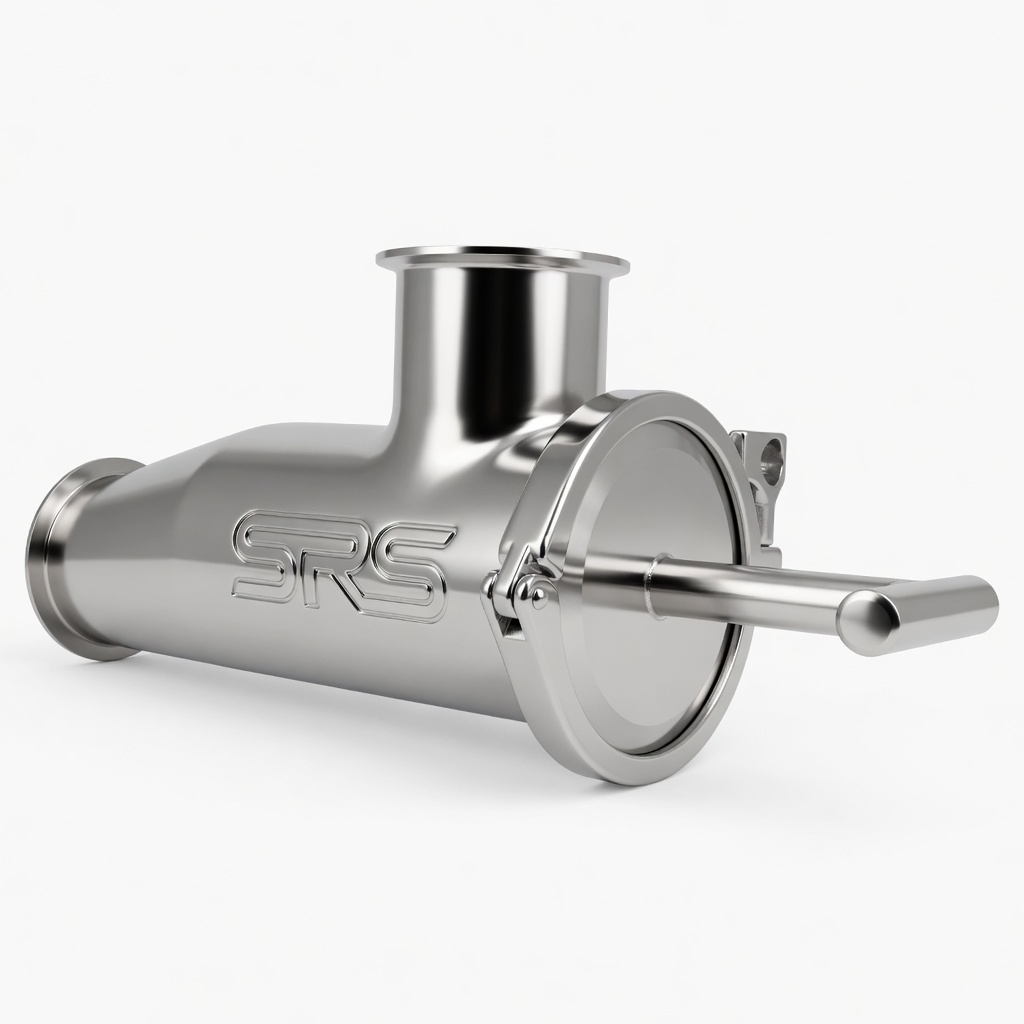
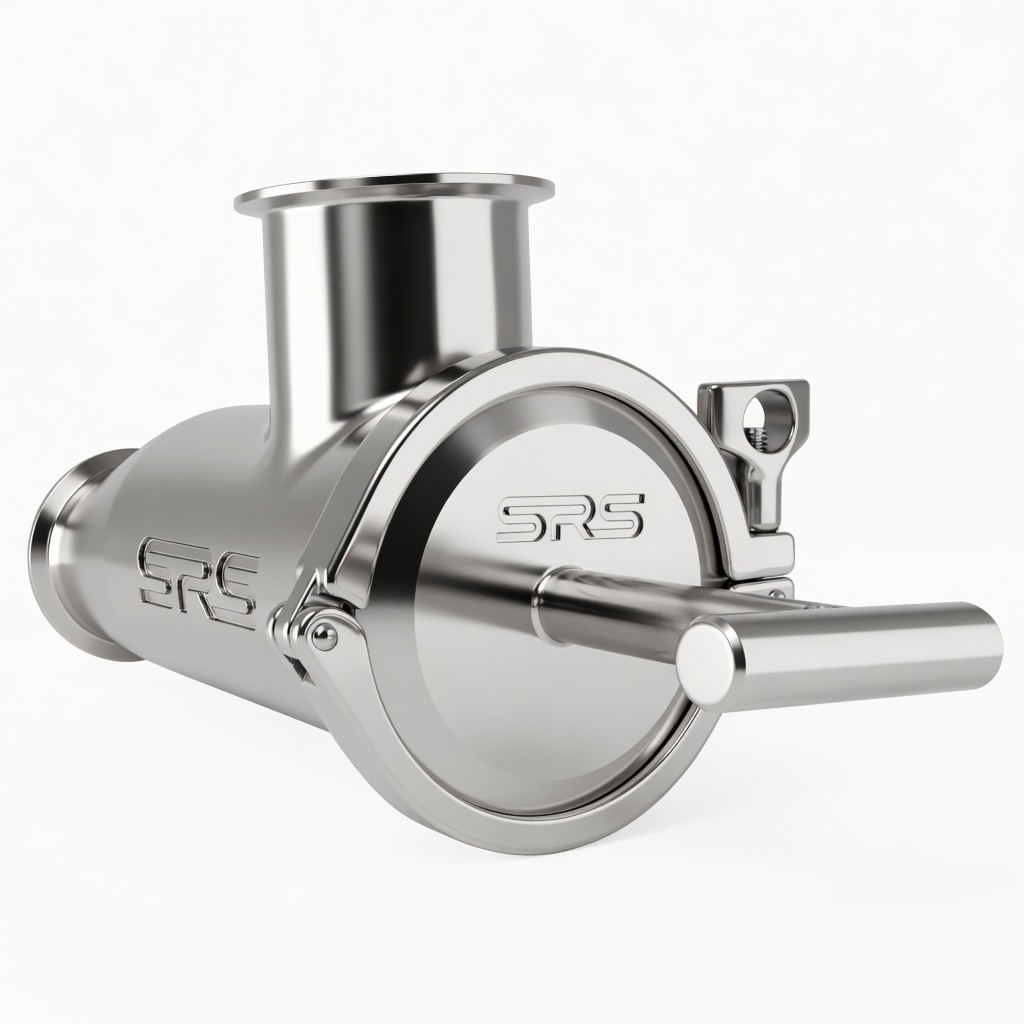
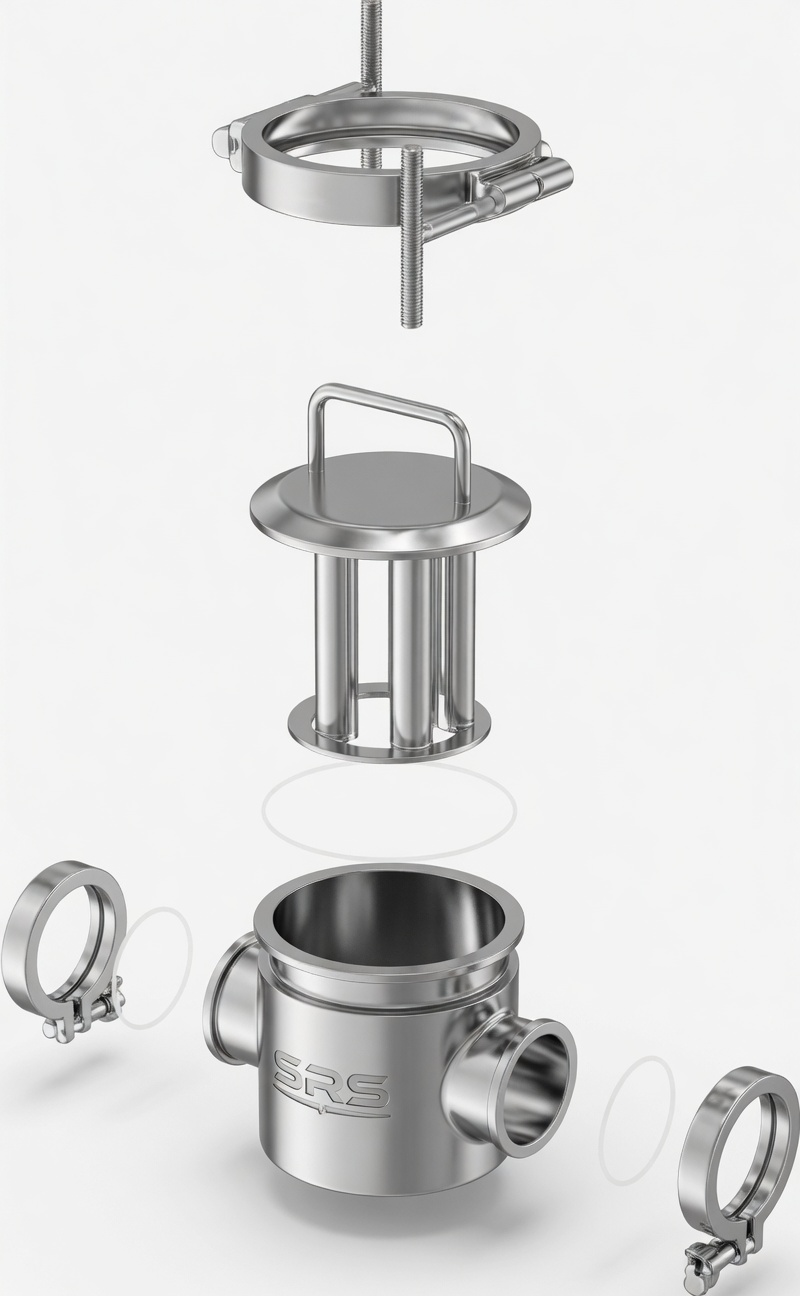
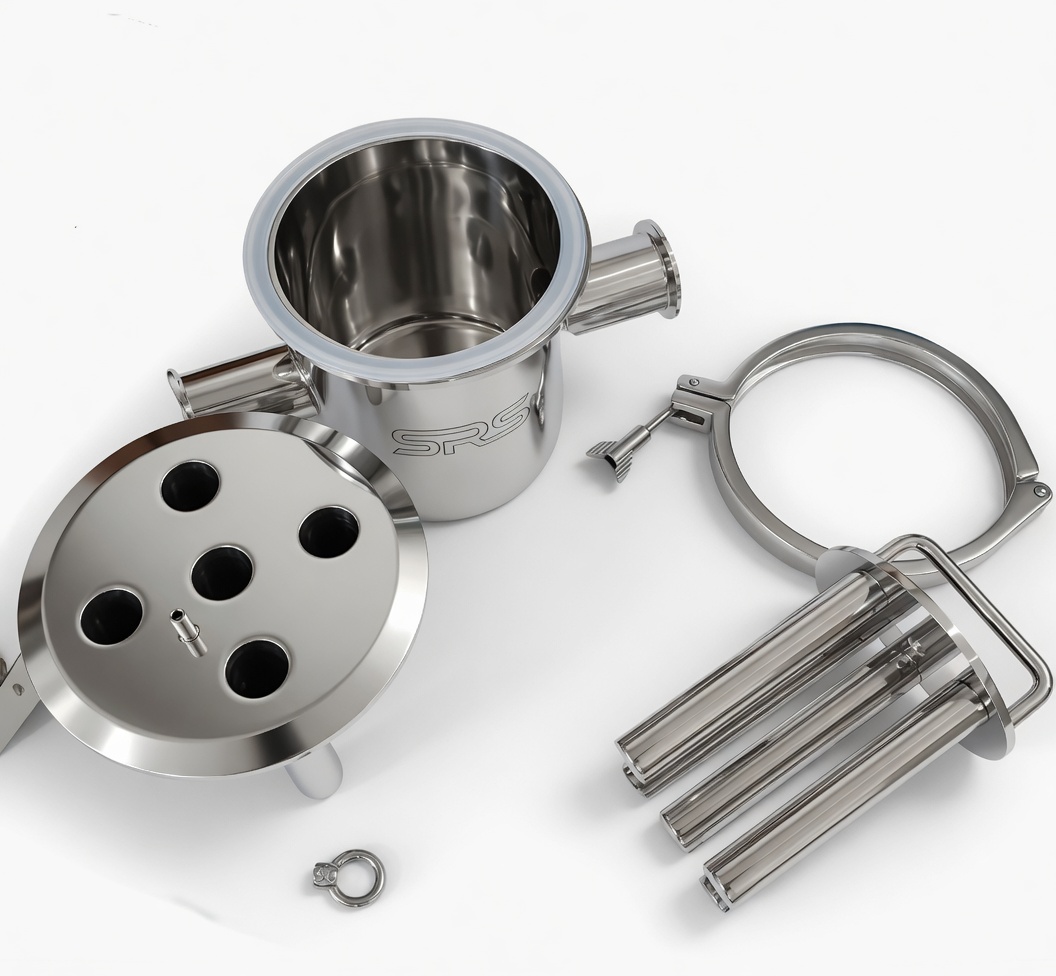
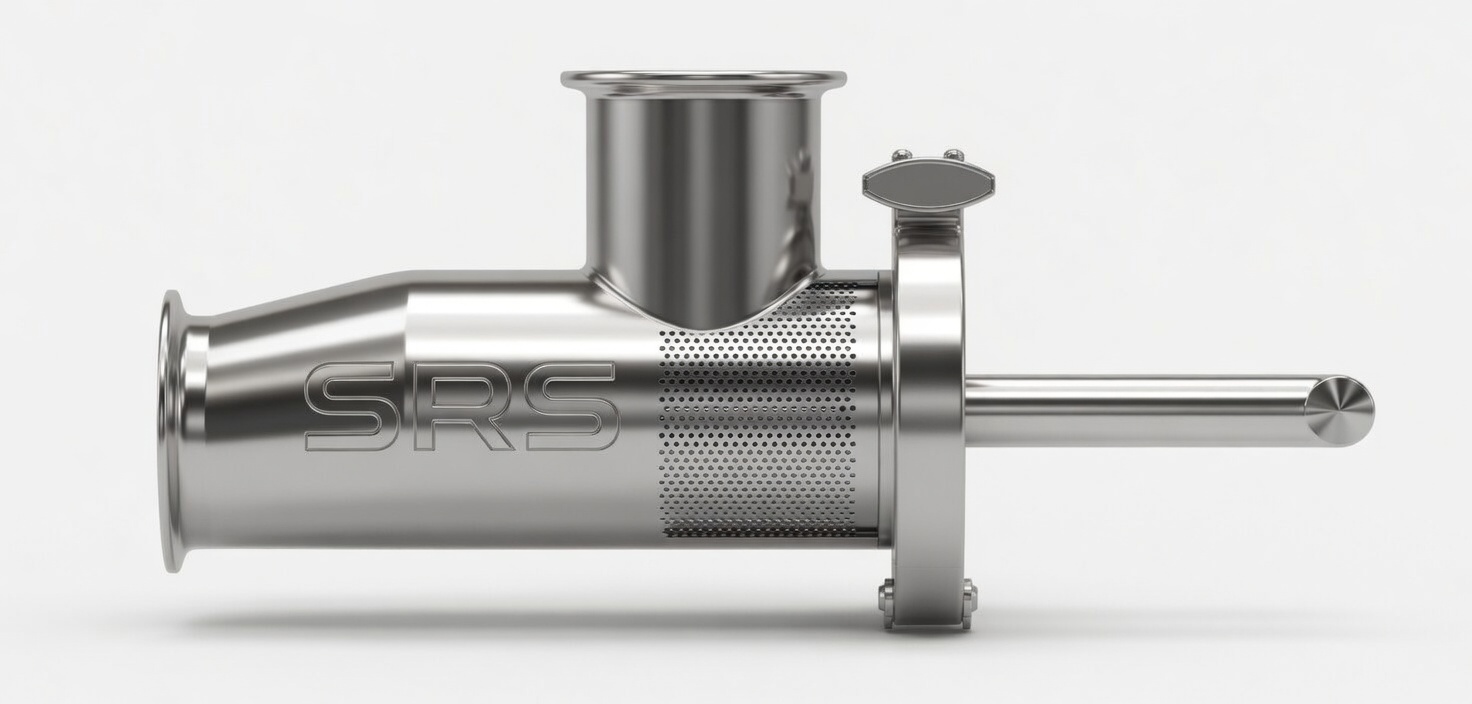
Magnetic Filtration Basket Strainer
Advanced Dual-Stage Filtration with Powerful Magnetic Protection
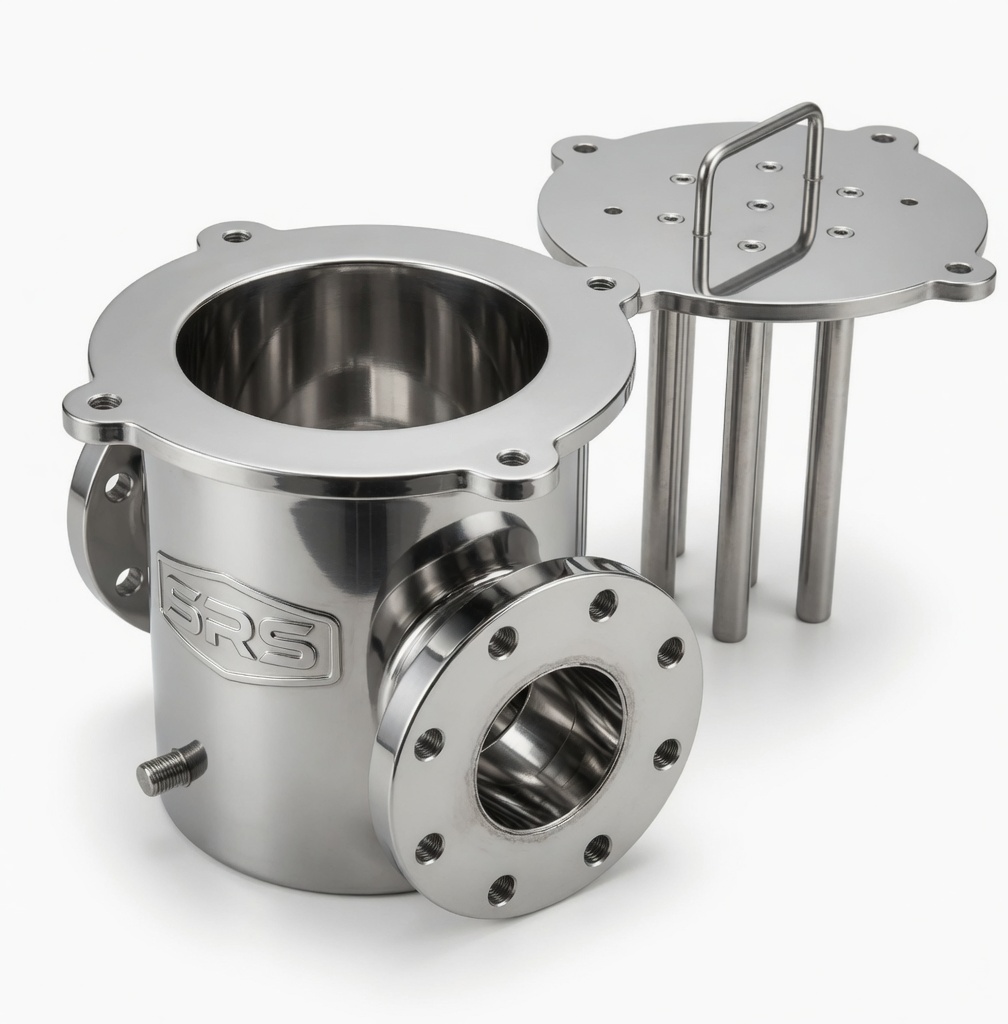
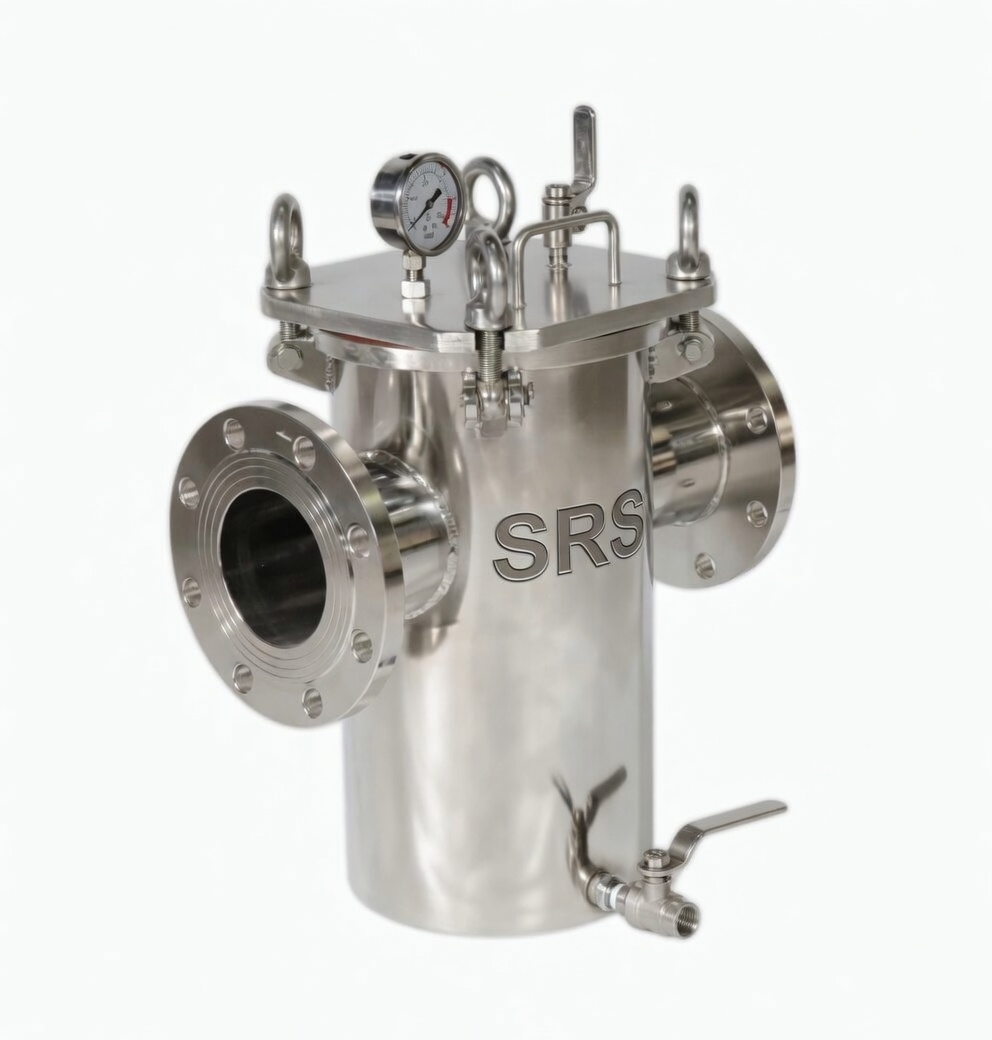
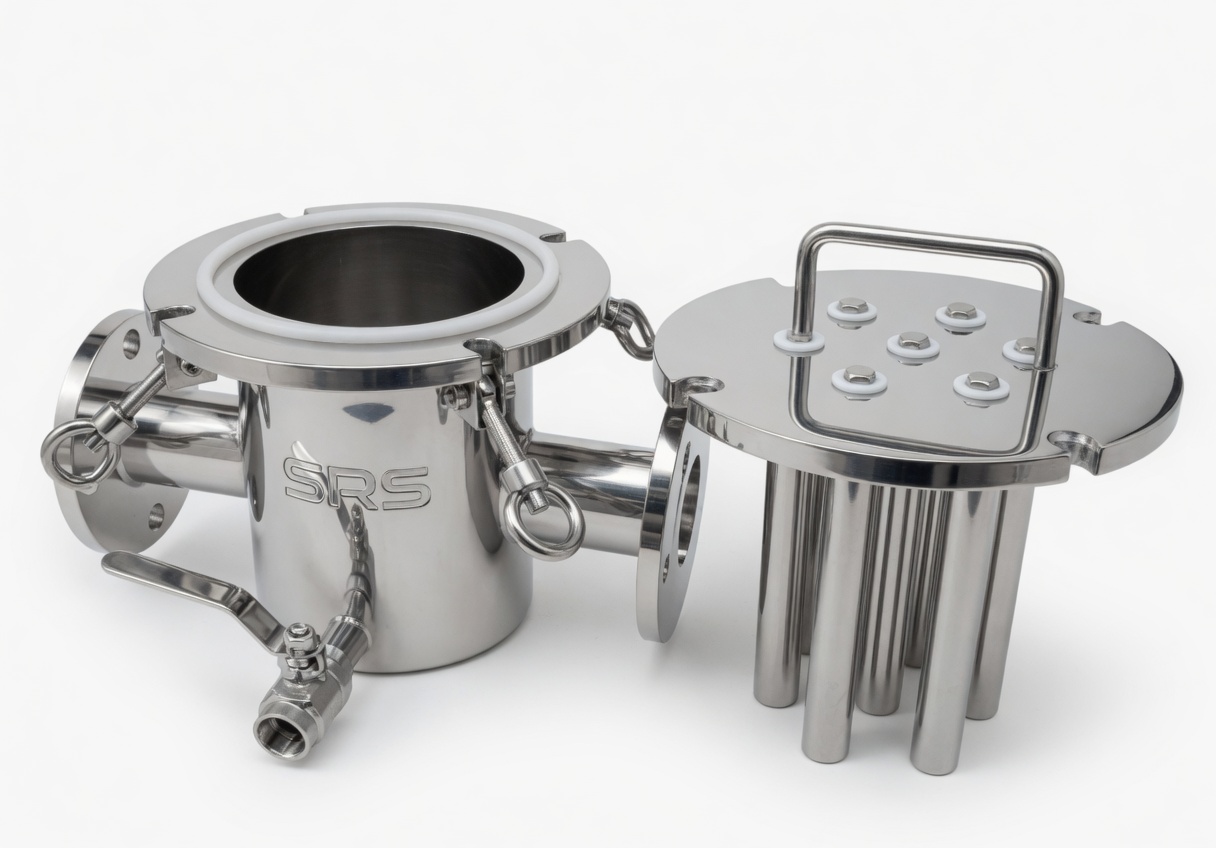
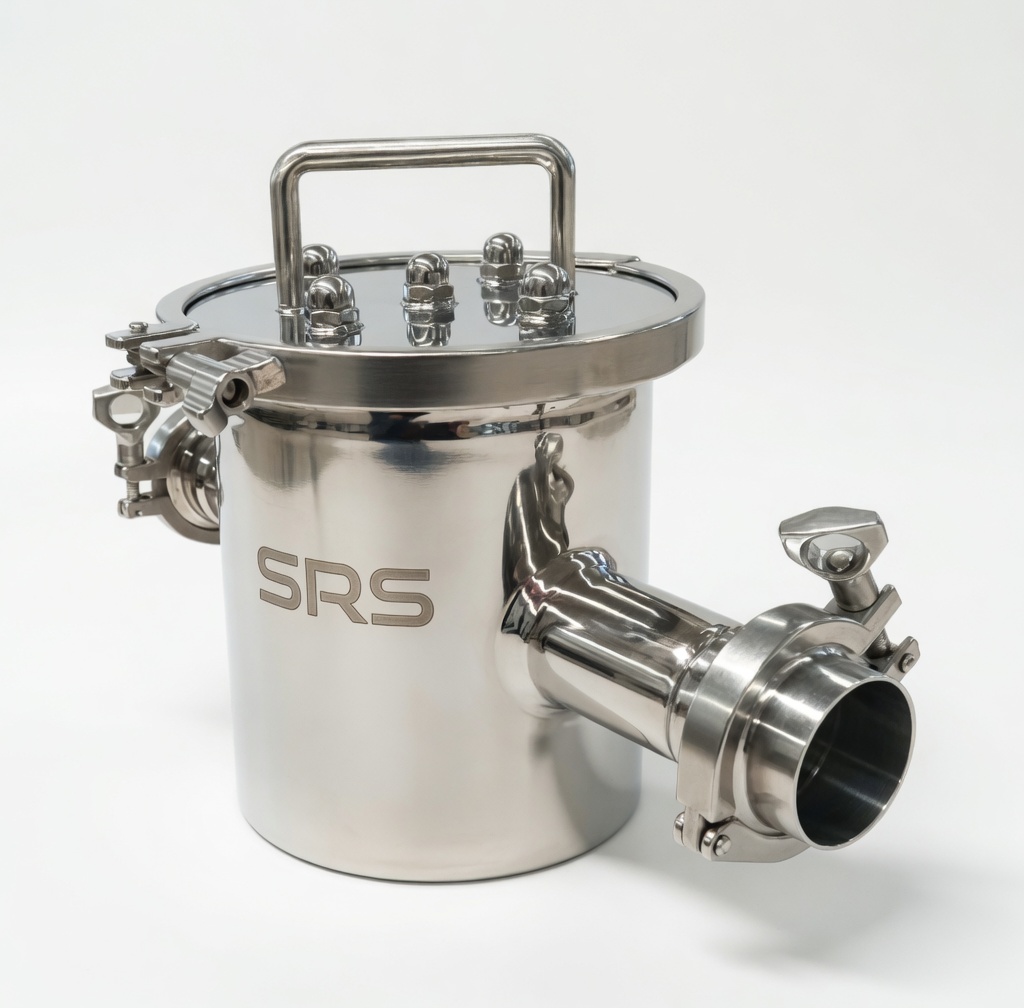
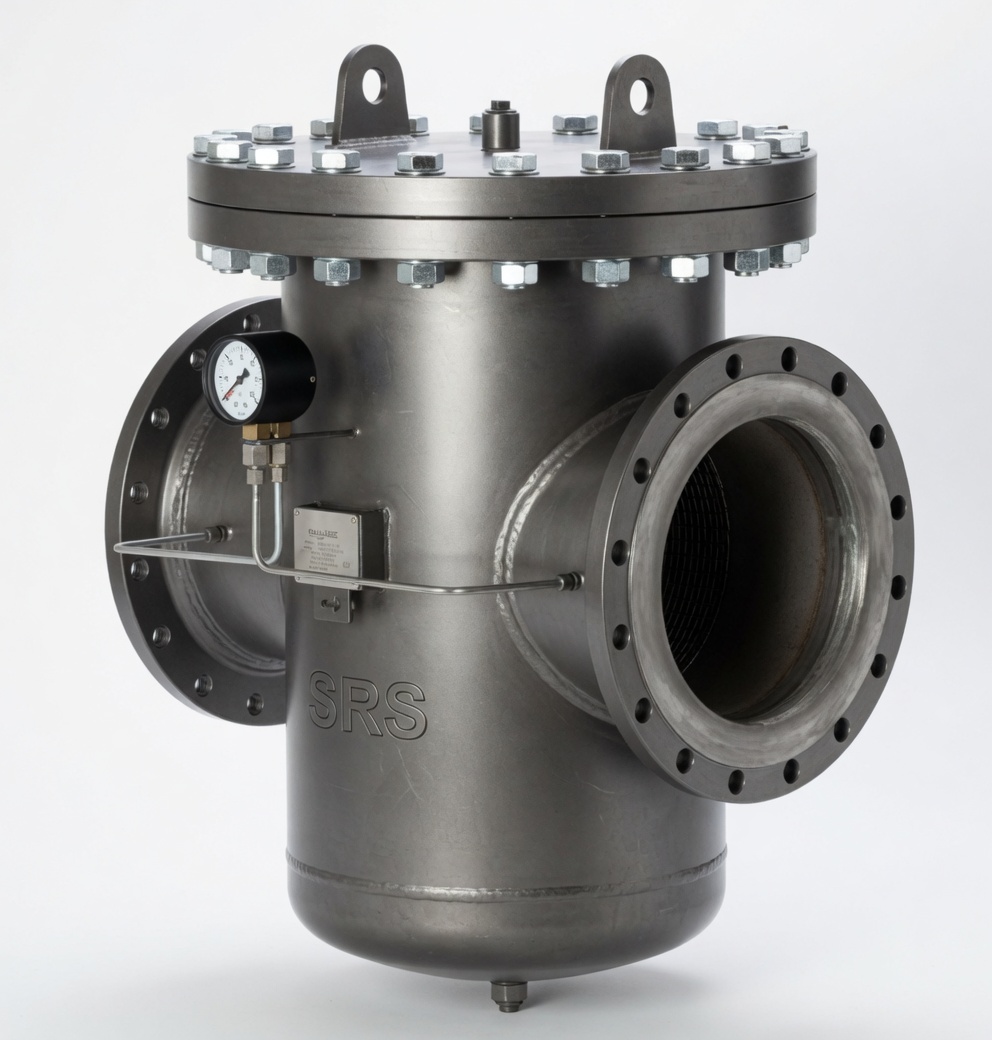
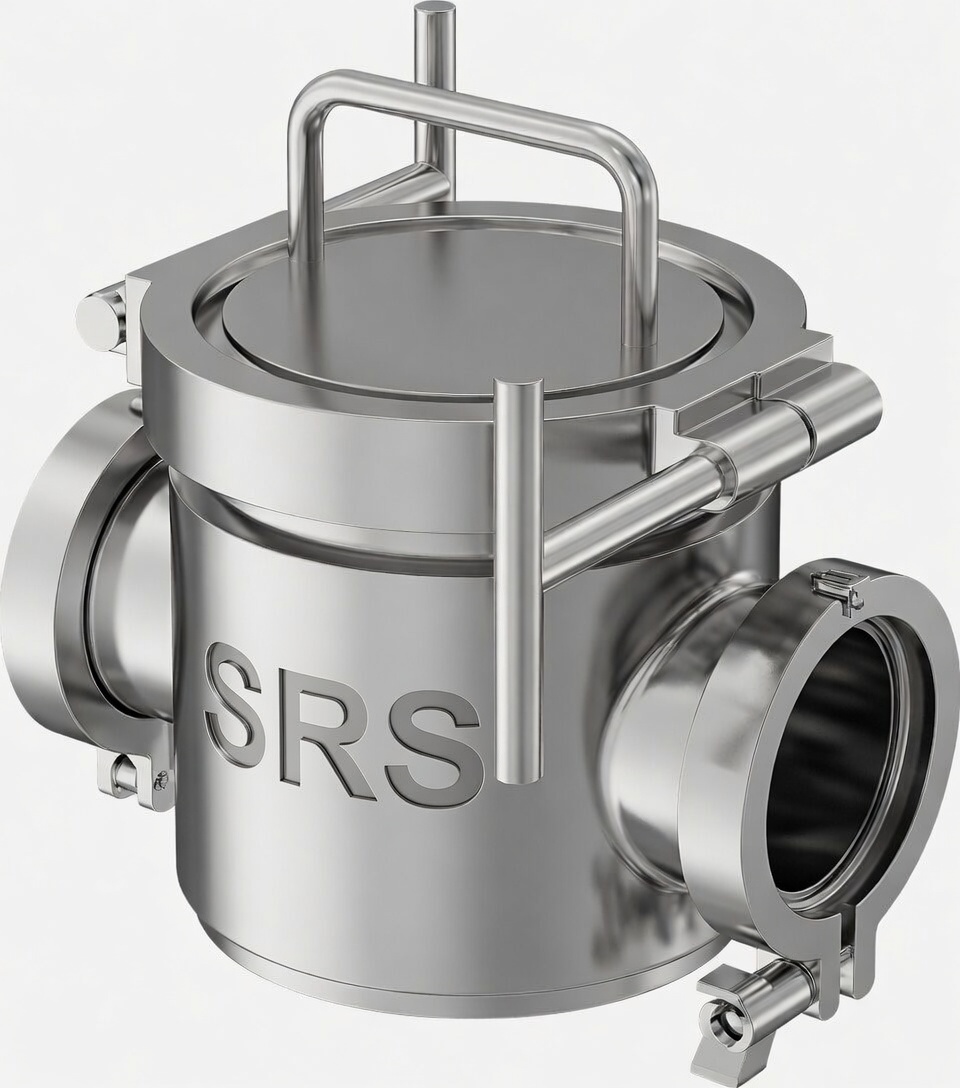
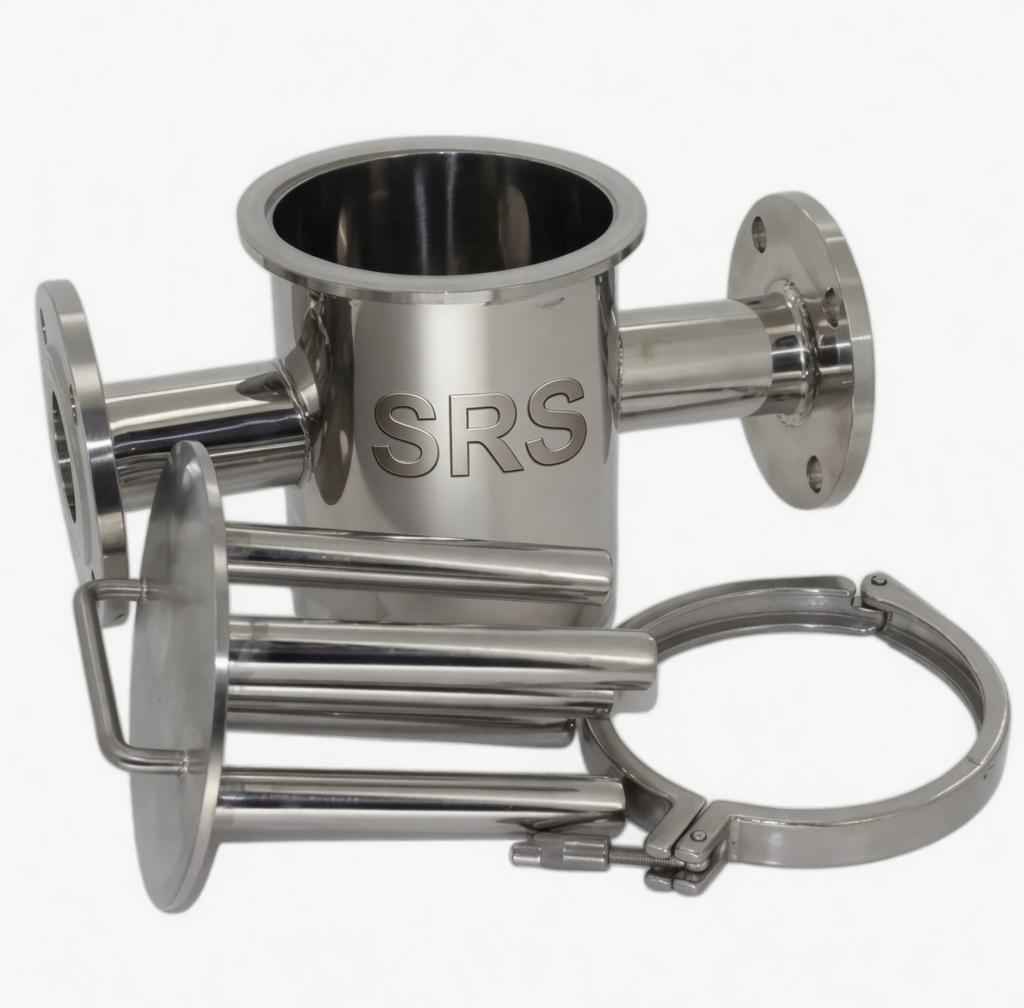
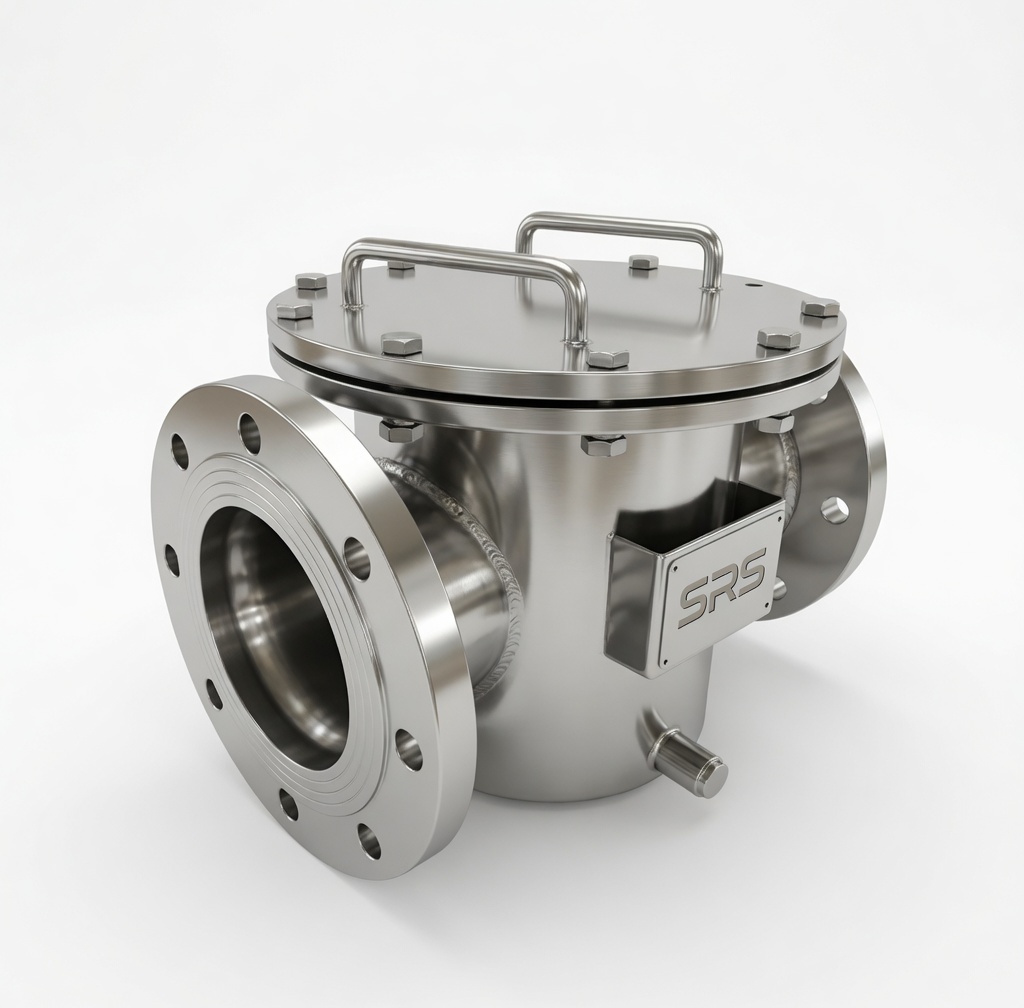
The Magnetic Filtration Basket Strainer is a premium industrial filtration solution that effectively removes both ferrous and non-ferrous contaminants from liquid systems.
It combines a traditional basket strainer with high-strength magnetic technology, delivering superior particle capture, reduced downtime, and extended equipment life.
Key Features & Benefits
| Why Choose Our Magnetic Filtration Basket Strainer? |
| Powerful Neodymium Magnets |
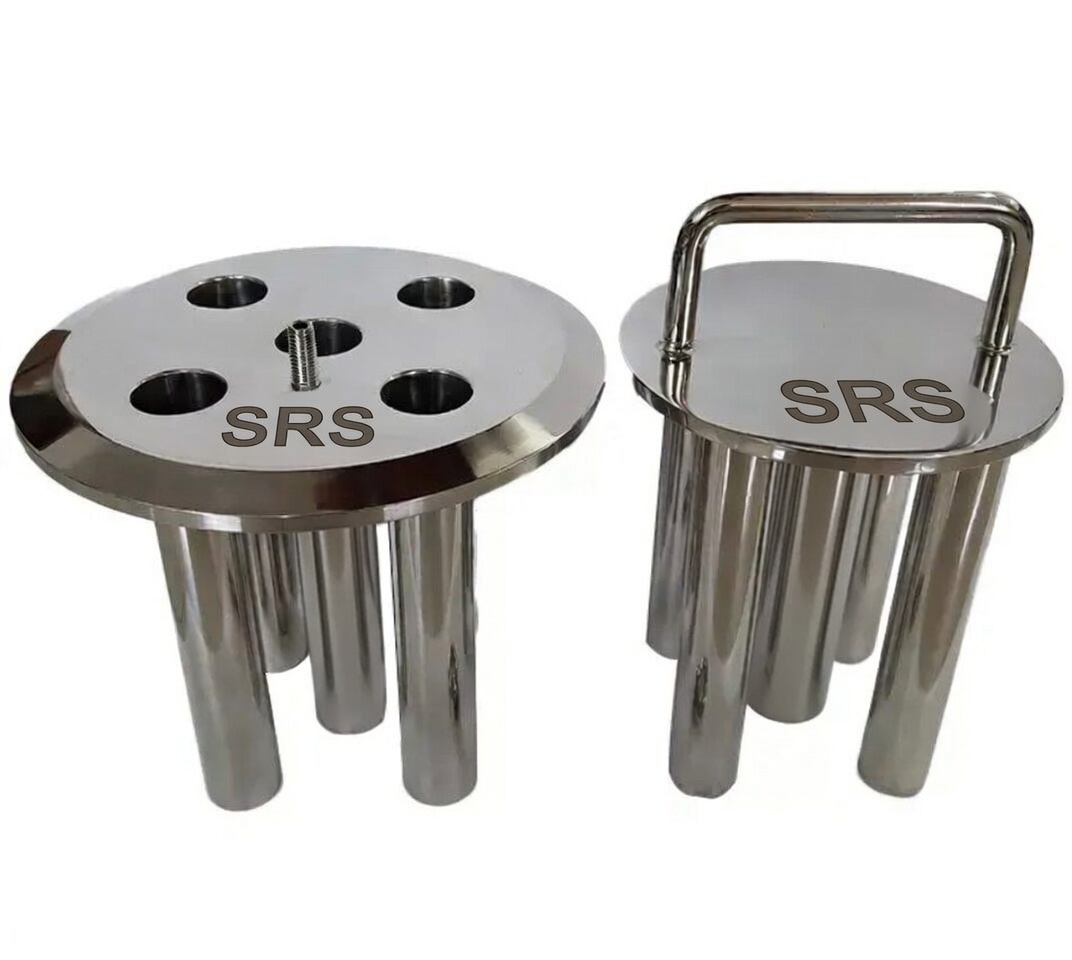
High-intensity rare-earth magnets capture ferrous particles down to 1 micron |
| Dual-Stage Filtration |
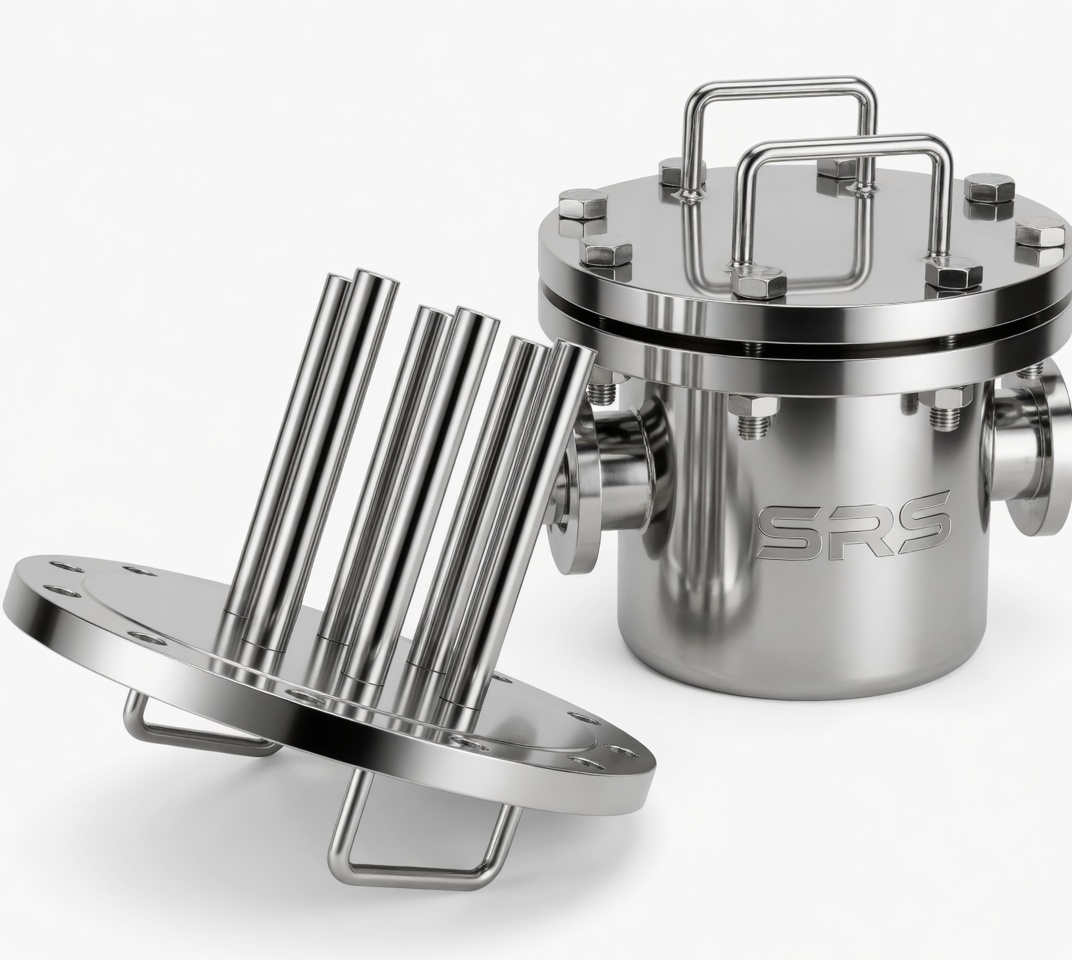
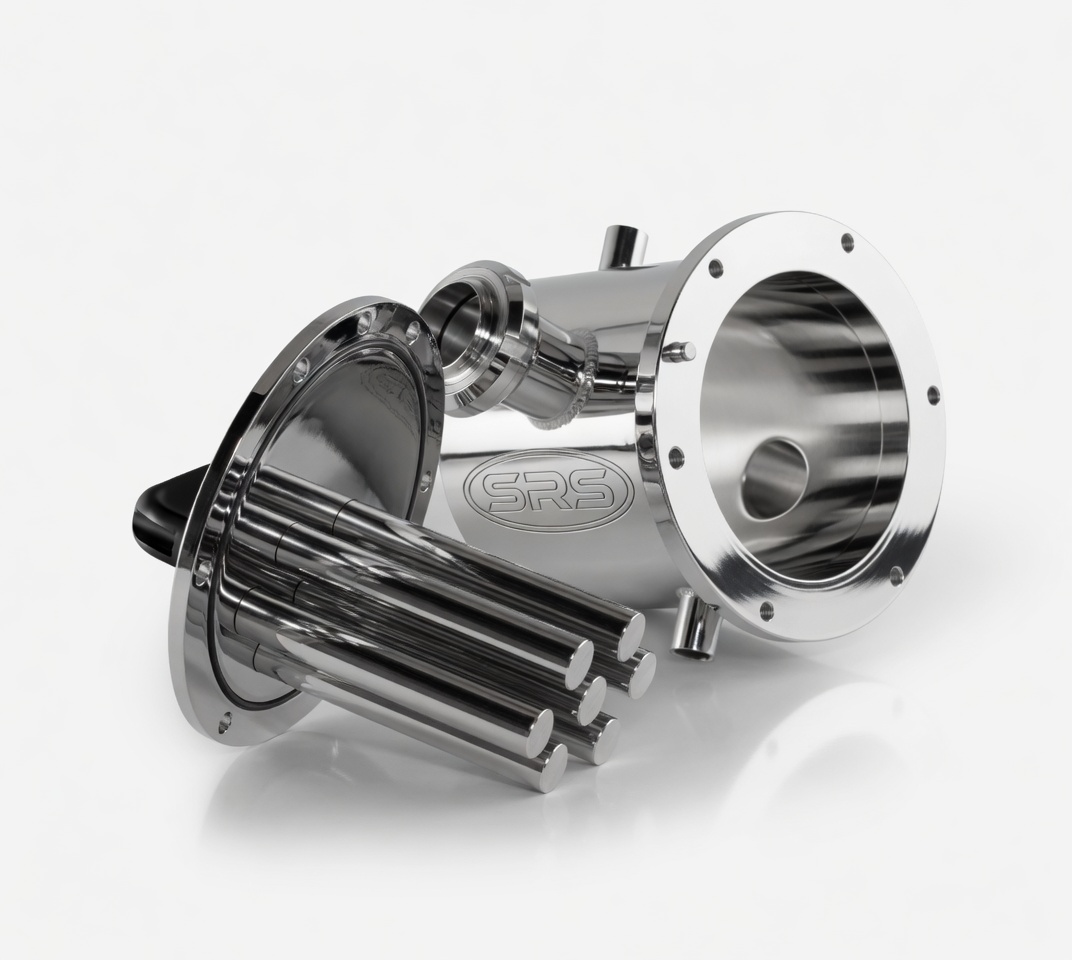
Basket strainer captures large debris while magnetic rods remove fine ferrous contaminants |
| Easy & Quick Maintenance |
Tool-free access for fast basket removal and magnetic cleaning |
| Corrosion Resistant Build |
Premium stainless steel 304/316L construction |
| Bright Golden-Yellow Indicators |
Vibrant golden magnetic rods make captured debris clearly visible for instant inspection |
Technical Specifications
| Parameter |
Specification |
| Filtration Levels |
Basket: 50–5000 µm • Magnetic: Down to 1 µm (ferrous particles) |
| Magnet Type |
High-Intensity Neodymium (NdFeB) – 12,000 Gauss |
| Housing Material |
Stainless Steel 304 / 316L |
| Pressure Rating |
Up to 16 Bar (232 PSI) |
| Temperature Range |
–20°C to +150°C (–4°F to +302°F) |
| Connection Types |
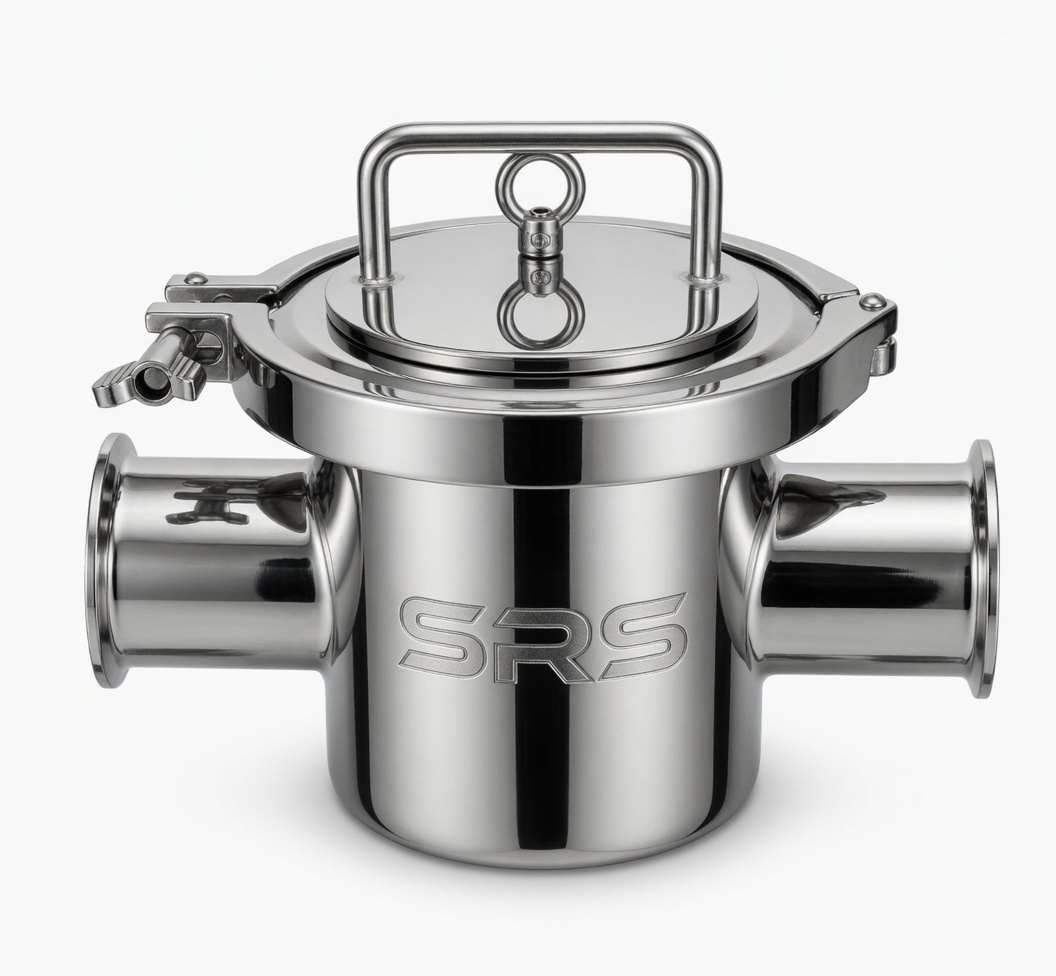
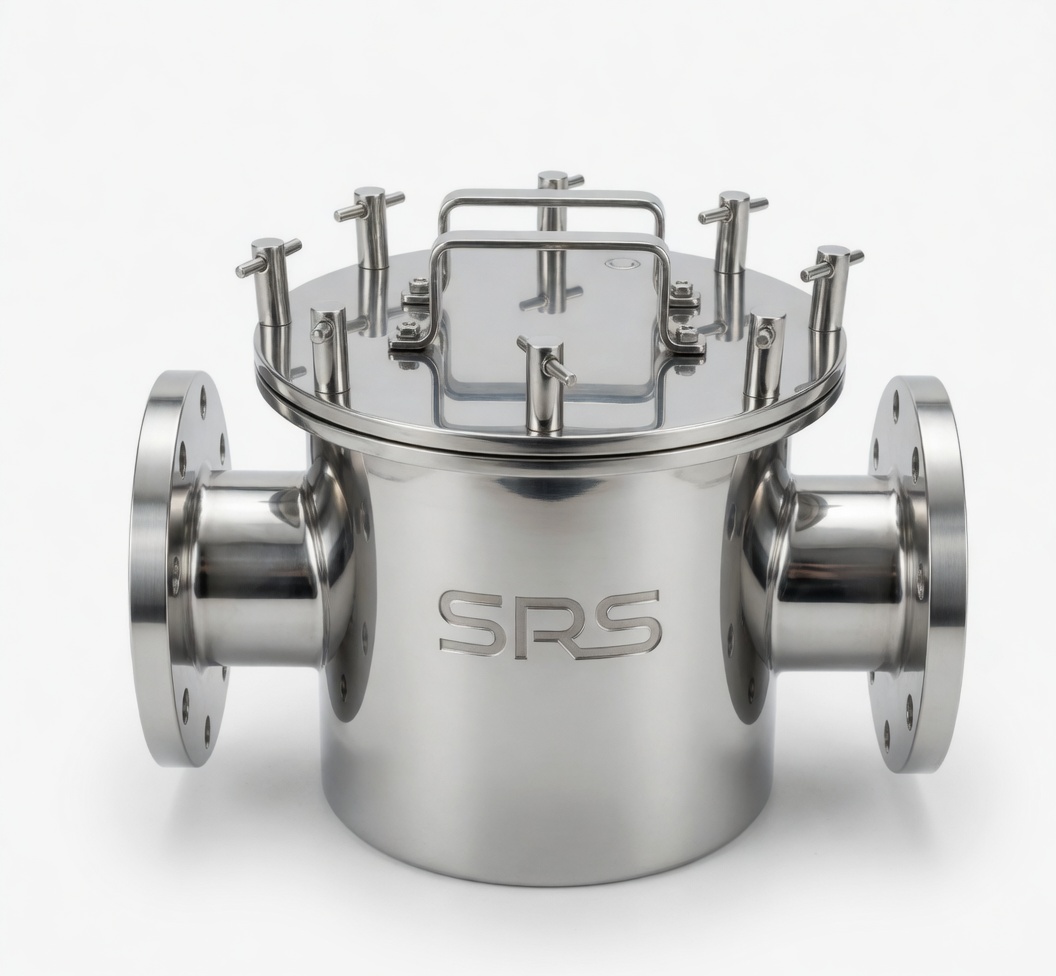
Flanged, Threaded, or Sanitary Tri-Clamp |
Common Applications
⚙️
Industrial Machinery
Hydraulic systems, lubricants, and coolants
🛢️
Oil & Fuel Filtration
Diesel, fuel oils, and cutting fluids
🏭
Process Industries
Chemical, pharmaceutical, and food-grade liquids
✦ Superior Protection with Light Golden Efficiency ✦
Combining precision basket straining and powerful magnetic filtration to keep your systems clean, reliable, and running at peak performance.
Flow Rate vs Pressure Drop vs Efficiency
Flow Rate vs Pressure Drop vs Magnetic Efficiency (Ferrous Particles)
| Flow Rate (m³/h) |
Pressure Drop (bar) |
Magnetic Efficiency (% Ferrous Removal) |
| 10 |
0.12 |
99% |
| 20 |
0.25 |
98.5% |
| 30 |
0.42 |
97% |
| 40 |
0.68 |
95% |
| 50 |
0.95 |
92% |
| 60 |
1.35 |
88% |
Key Observations:
• Pressure drop increases non-linearly with higher flow rates (typical for basket strainers).
• Magnetic efficiency remains very high (>95%) at moderate flow rates and gradually decreases at very high velocities due to reduced residence time.
• Data is based on clean water at 20°C for a standard 4″–6″ model with 12,000 Gauss neodymium magnets.
✦ Optimal operating range: 20–40 m³/h for best balance of low pressure drop and high magnetic efficiency ✦
Installation
⚠️ IMPORTANT SAFETY NOTE: Ensure the system is fully depressurized and drained before installation. Wear appropriate PPE. Installation must be performed by qualified personnel.
Tools & Materials Required
| Item |
Purpose |
| Pipe Wrench / Adjustable Spanner |
For tightening flanges and connections |
| Torque Wrench |
To apply correct bolt torque |
| Gaskets & Bolts (matching size) |
For leak-free flange connections |
| Level & Measuring Tape |
To ensure proper alignment |
| Thread Sealant / PTFE Tape |
For threaded connections |
Step-by-Step Installation Procedure
| Step |
Procedure |
Notes |
| 1 |
Verify the strainer orientation – arrow on the housing must point in the direction of flow. |
Incorrect orientation will reduce efficiency. |
| 2 |
Install the unit in a horizontal or vertical position with adequate clearance for basket removal (minimum 1.5× basket length above or in front). |
Allow space for future maintenance. |
| 3 |
Place gaskets between the strainer flanges and pipeline flanges. Align bolt holes carefully. |
Use new gaskets only. |
| 4 |
Insert bolts and hand-tighten in a criss-cross pattern. Then torque to manufacturer-recommended values using a torque wrench. |
Avoid over-tightening to prevent gasket damage. |
| 5 |
For threaded connections: Apply PTFE tape or thread sealant and tighten securely. |
Do not overtighten threaded ends. |
| 6 |
Install the magnetic rods into the housing and secure the cover tightly. |
Ensure magnets are fully inserted. |
| 7 |
Slowly pressurize the system and check for leaks at all connections. Tighten if necessary. |
Monitor pressure gradually. |
Post-Installation Checklist
| ☐ |
Strainer installed in correct flow direction |
| ☐ |
All connections properly torqued and leak-free |
| ☐ |
Magnetic rods installed and secured |
| ☐ |
Sufficient clearance for future basket removal |
| ☐ |
System pressure tested and no leaks observed |
✦ Installation Complete ✦
Refer to the Operation & Maintenance Manual for regular cleaning and inspection procedures.
Maintenance
⚠️ SAFETY FIRST: Always depressurize and isolate the system before performing any maintenance. Wear appropriate PPE. Lockout/Tagout procedures must be followed.
Tools & Materials Required
| Item |
Purpose |
| Protective Gloves & Safety Glasses |
Personal protection |
| Non-metallic Scraper or Brush |
Cleaning basket and magnets |
| Clean Rags or Lint-free Cloths |
Wiping down components |
| New Gaskets (if required) |
Replacement during reassembly |
| Torque Wrench |
Proper reassembly torque |
Recommended Maintenance Schedule
| Frequency |
Maintenance Task |
| Daily / Weekly |
Visually inspect for leaks and pressure drop |
| Monthly |
Check and clean magnetic rods (remove ferrous debris) |
| Every 3 Months |
Remove and clean the basket strainer |
| Every 6 Months |
Inspect seals/gaskets and replace if worn |
| Annually |
Full disassembly, deep cleaning, and inspection |
Step-by-Step Maintenance Procedure
| Step |
Procedure |
Important Notes |
| 1 |
Shut down the system, isolate valves, and depressurize completely. Drain all fluid from the strainer. |
Lockout/Tagout must be applied. |
| 2 |
Remove the cover carefully. Pull out the magnetic rods and inspect captured ferrous debris. |
Golden-yellow rods make debris highly visible. |
| 3 |
Remove the basket strainer. Clean thoroughly with a soft brush or non-metallic scraper. |
Do not use metal tools on the basket. |
| 4 |
Wipe magnetic rods with a clean cloth. Remove all attached ferrous particles. |
Strong magnets – keep away from metal tools. |
| 5 |
Inspect seals and gaskets. Replace if damaged or hardened. |
Use compatible gasket material. |
| 6 |
Reinstall clean basket and magnetic rods. Secure the cover properly. |
Ensure proper seating. |
| 7 |
Slowly repressurize the system and check for leaks. Monitor differential pressure. |
Record service in maintenance log. |
✦ Regular Maintenance Ensures Optimal Performance & Long Service Life ✦
Always document each maintenance activity including date, findings, and parts replaced.
Q&A
| Question |
Answer |
| What is the main advantage of a Magnetic Filtration Basket Strainer compared to a standard basket strainer? |
It provides dual-stage filtration: the basket removes large debris and non-ferrous particles, while the high-strength neodymium magnets capture fine ferrous contaminants down to 1 micron that would otherwise pass through a standard strainer. |
| How fine can the magnetic filtration capture particles? |
The powerful neodymium magnets can effectively capture ferrous particles as small as 1 micron. The basket strainer rating typically ranges from 50 µm to 5000 µm depending on your selected mesh or perforation. |
| What materials is the strainer made from? |
The housing and basket are constructed from high-quality Stainless Steel 304 or 316L, offering excellent corrosion resistance and suitability for industrial, chemical, and food-grade applications. |
| How do I know when the strainer needs cleaning? |
Monitor the differential pressure across the strainer. A significant increase in pressure drop indicates clogging. The bright golden-yellow magnetic rods also make captured ferrous debris highly visible during inspection. |
| Can the magnetic rods be removed for cleaning without stopping the entire process? |
No. The system must be isolated and depressurized before removing the cover and magnetic rods. This is a standard safety requirement. |
| What is the maximum operating pressure and temperature? |
Standard models are rated up to 16 Bar (232 PSI) and temperatures from –20°C to +150°C (–4°F to +302°F). Higher ratings are available upon request. |
| How often should maintenance be performed? |
Frequency depends on contamination level. Typical schedule:
• Magnetic rod cleaning: Monthly
• Basket cleaning: Every 1–3 months
• Full inspection: Every 6–12 months |
| Is this strainer suitable for food or pharmaceutical applications? |
Yes. When ordered with 316L stainless steel, sanitary tri-clamp connections, and food-grade gaskets (EPDM or PTFE), it meets requirements for food, beverage, and pharmaceutical processes. |
| Does the magnetic filtration affect non-ferrous particles? |
No. The magnets only attract ferrous (iron, steel, nickel, etc.) particles. Non-ferrous contaminants are captured solely by the basket strainer mesh or perforations. |
| Can the strainer be installed in any orientation? |
The flow direction must follow the arrow marked on the housing. It can be installed horizontally or vertically, but sufficient clearance must be provided for easy basket and magnet removal during maintenance. |
✦ Still have questions? ✦
Contact our technical support team for custom sizing, material recommendations, or application-specific advice.
Advantages / Disadvantages
| Advantages |
Disadvantages |
Excellent dual-stage filtration
Captures both large debris (via basket) and fine ferrous particles down to 1 micron (via magnets). |
Requires system shutdown for cleaning
Cannot clean magnets or basket while the system is running. |
Powerful neodymium magnets
10,000–12,000 Gauss strength provides highly effective ferrous particle removal. |
Higher initial cost
More expensive than standard basket strainers due to magnetic technology. |
Easy visual inspection
Bright golden-yellow magnetic rods make captured debris clearly visible. |
Magnets can be heavy
Strong neodymium rods require careful handling during maintenance. |
Low maintenance frequency
Magnetic filtration reduces how often the basket needs cleaning. |
Limited to ferrous particles
Magnetic function only works on iron, steel, and other ferrous materials. |
Durable stainless steel construction
Excellent corrosion resistance with 304 or 316L options. |
Requires proper clearance
Needs space for basket and magnet removal during service. |
Reduced downtime & equipment protection
Extends the life of pumps, valves, and downstream equipment. |
Pressure drop increases when dirty
Like all strainers, efficiency drops as it collects contaminants. |
Versatile applications
Suitable for oils, coolants, chemicals, water, and food-grade liquids. |
Magnetic strength can weaken over time
Extreme temperatures or physical damage may reduce magnet performance. |
✦ Overall, the advantages in filtration performance and equipment protection far outweigh the disadvantages for most industrial applications. ✦
Applications
| Industry / System |
Key Applications |
Benefits |
| Hydraulic & Lubrication Systems |
Hydraulic oil, lubricants, and cooling fluids in industrial machinery and presses |
Protects pumps, valves, cylinders, and extends component life |
| Oil & Fuel Filtration |
Diesel fuel, cutting oils, turbine lubricants, and process oils |
Improves combustion efficiency and reduces equipment wear |
| Chemical Processing |
Aggressive chemicals, solvents, and corrosive process liquids |
Excellent corrosion resistance with 316L stainless steel |
| Food & Beverage Industry |
Syrups, juices, edible oils, and liquid food ingredients |
Sanitary design with food-grade materials available |
| Pharmaceutical & Cosmetics |
Liquid medicines, lotions, creams, and high-purity fluids |
Ensures product purity and meets stringent filtration requirements |
| Water Treatment & Cooling Systems |
Cooling water, chilled water loops, and process water |
Prevents clogging in heat exchangers, nozzles, and pipes |
✦ Ideal wherever ferrous contamination and solid particles threaten critical equipment ✦