
Description
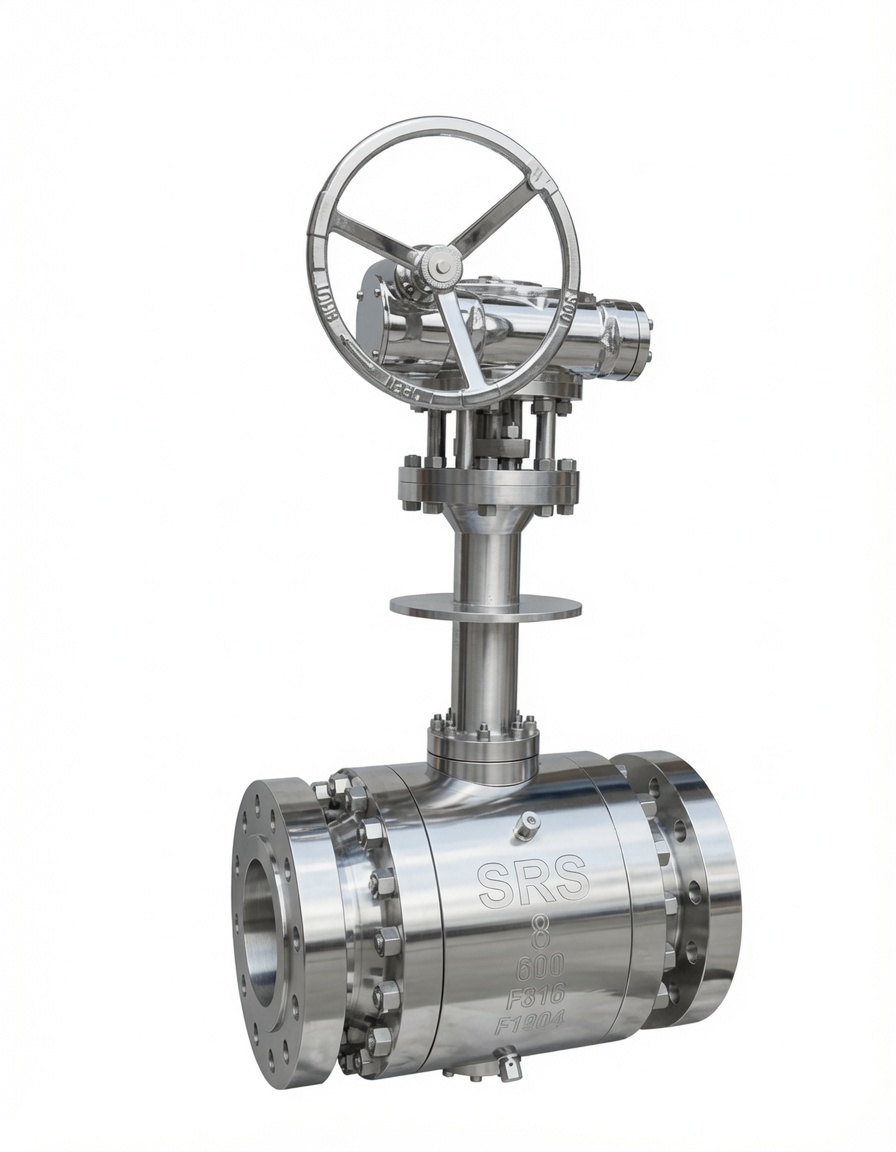
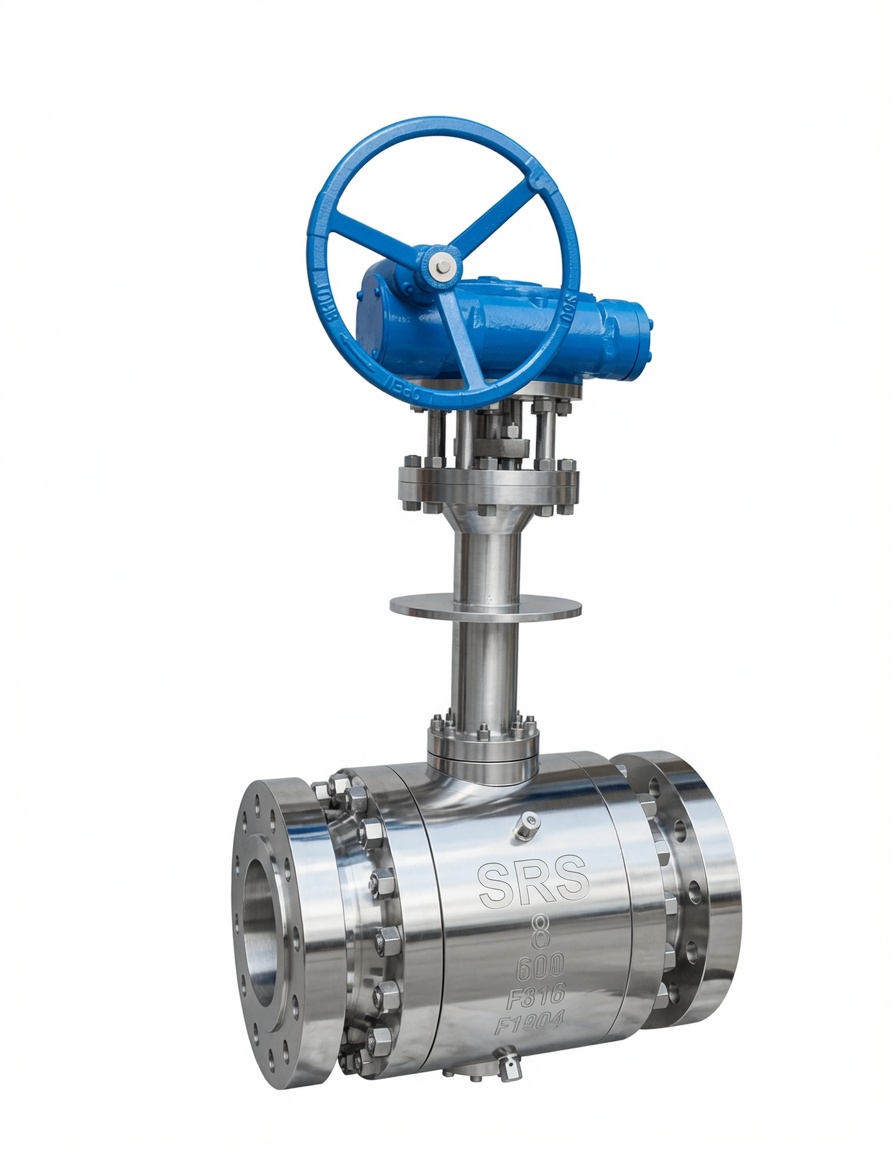
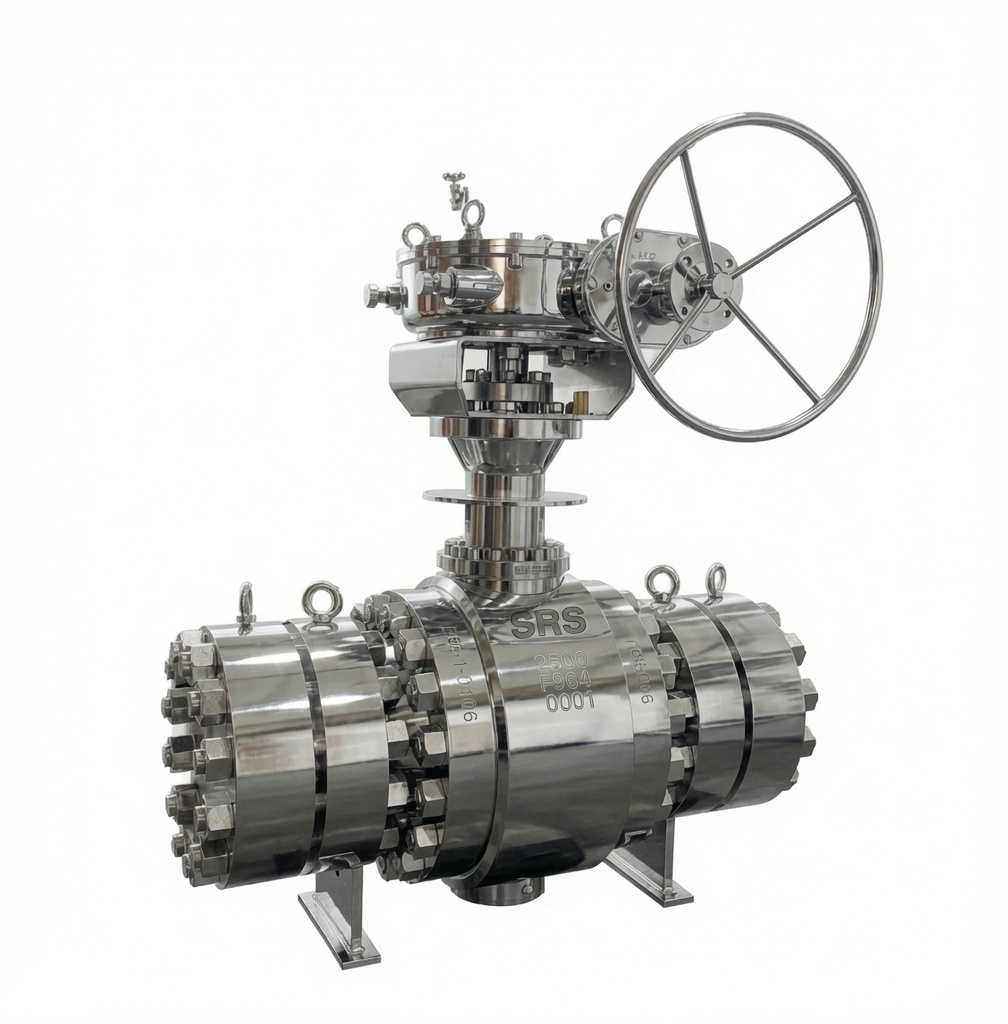
A Cryogenic Ball Valve is a specialized quarter-turn valve designed to control the flow of extremely cold fluids at temperatures as low as –196°C (–320°F) or lower.
It features a floating or trunnion-mounted ball that rotates 90 degrees to open or close the flow path.
Manufacturers equip these valves with an extended stem, special low-temperature materials, and cavity-relief designs to prevent pressure buildup as the cryogenic liquid warms and expands.
They provide reliable isolation and control for liquefied gases such as LNG, liquid nitrogen, oxygen, argon, and hydrogen.
How a Cryogenic Ball Valve Works
The valve contains a precision-machined ball with a through-bore. When the ball’s bore aligns with the pipeline, fluid flows freely. A 90-degree turn of the stem rotates the ball so the solid side blocks the flow completely.
An extended stem raises the packing and actuator above the cold zone, preventing freezing of the sealing elements.
As the cryogenic liquid enters the valve cavity and later warms, a pressure-relief hole or specially designed seat allows excess pressure to vent back into the pipeline, protecting the body from over-pressurization.